A JAMA Network Open survey of nearly 6,000 adults found people were about 19 percentage points less likely to recommend life support for a hospitalized patient with dementia, even when a signed advance directive asked for it.
A VCU researcher interviewed 26 Gen Z TikTok users who follow doctor-influencers and found most never checked whether those doctors are licensed. They rated the strangers online as more accessible, more credible, and more caring than the physicians who have actually treated them.
The DNC and Common Cause separately sued the Trump administration this week over an ad campaign funded through a border security budget. The federal propaganda test behind both suits has ruled against a Republican agency and a Democratic one before, and the White House's defense doesn't address it.
Benchmark yields matched levels last seen in 2002, pushed up partly by AI-era debt issuance and a Fed still signaling another hike. Freddie Mac's 30-year mortgage rate climbed to 7.28 percent the same week, and Realtor.com says that has already added more than $200 to a typical buyer's monthly payment.
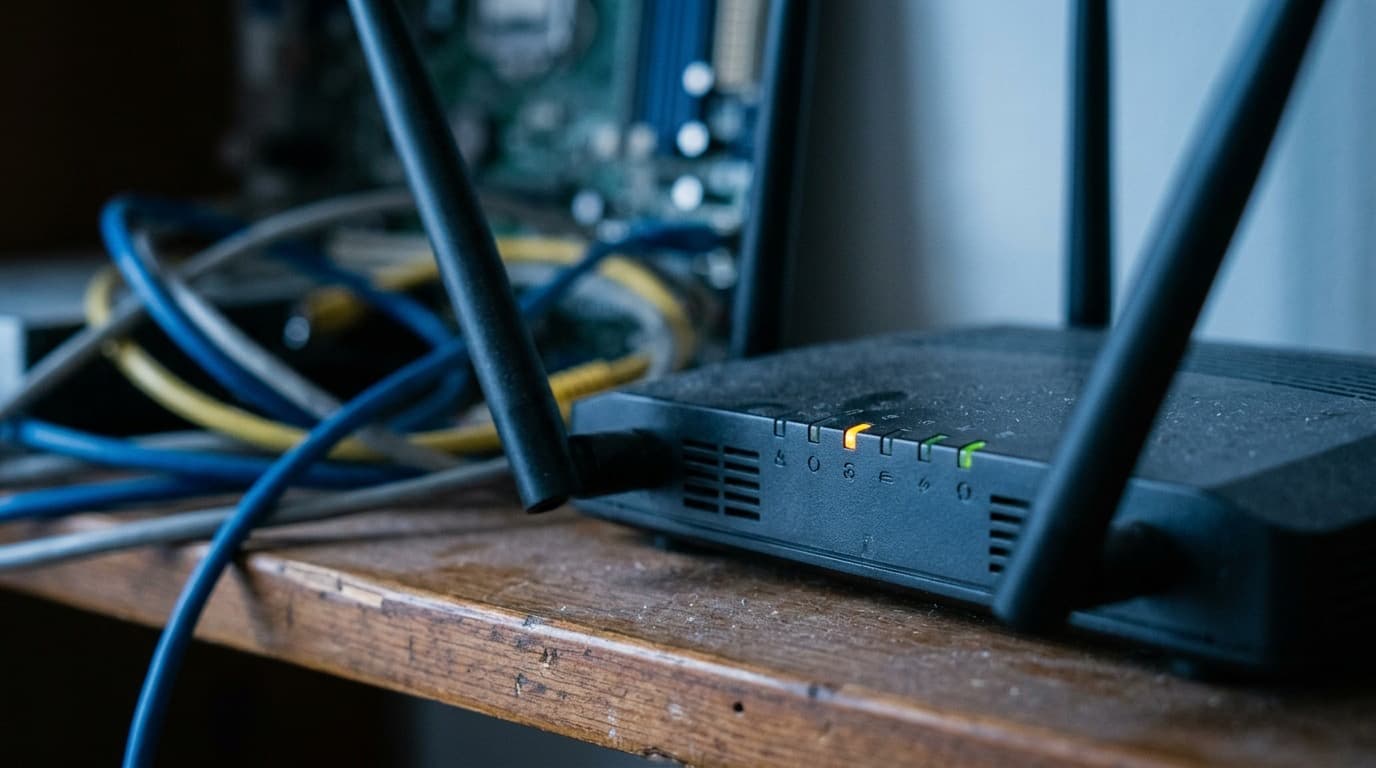
The October 6 lawsuit says TP-Link told customers its home routers were 100 percent secure while five specific vulnerabilities, already tied to Chinese and Russian hacking campaigns, sat in products still on store shelves.
Lane Johnson ended his 14-season career with the Philadelphia Eagles on October 6, citing mental health instead of injury or age. He has talked publicly about an antidepressant withdrawal that cost him three games in 2021, and the NFL's own data shows players are now using mental health resources at roughly double that era's rate.
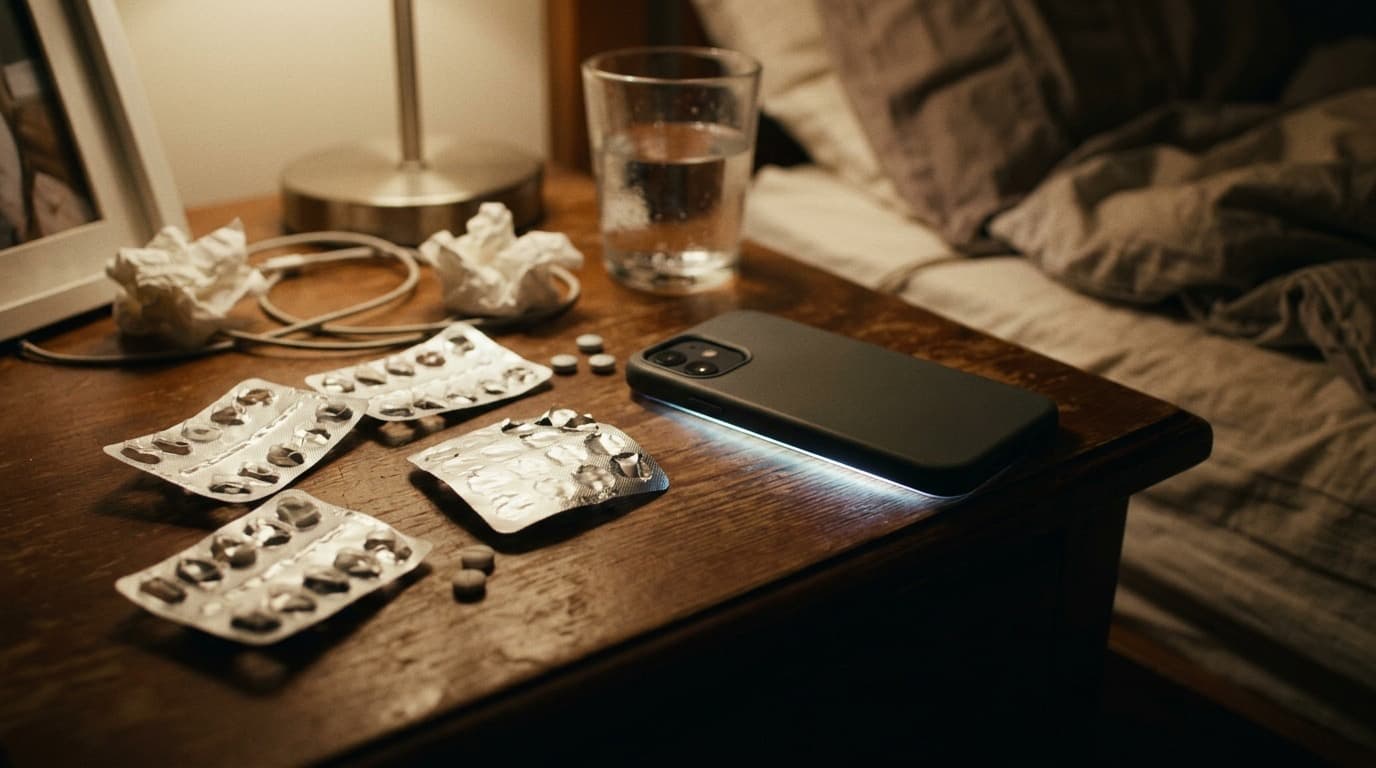
A Rutgers doctor treated the case herself. A 2026 study built on 2020 data shows online dares for the Benadryl Challenge still predict real overdose spikes about ten days later.
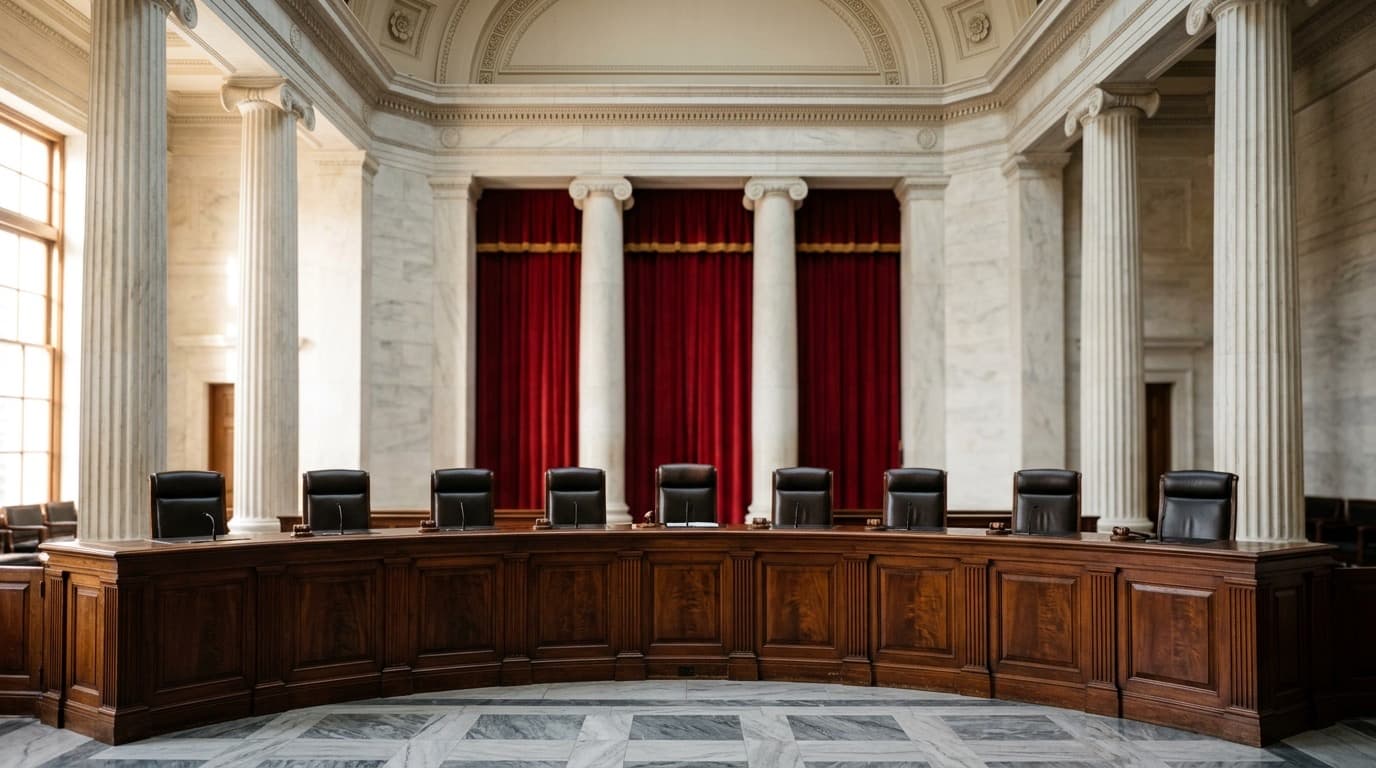
In Department of the Air Force v. Prutehi Guahan, the justices considered October 7 whether a Guam advocacy group's lawsuit over open-air munitions disposal on a beach above the island's main aquifer can proceed without the environmental review federal law normally requires first.
Vice Chair for Supervision Michelle Bowman tied the overhaul directly to Silicon Valley Bank's 2023 collapse, and the plan also raises a community-bank asset threshold frozen since 2011.
The charter for the White House's new Super Intelligence Force, obtained by Politico, gives the group 120 days to study AI risk. Its chairman says the bigger danger is falling behind, and a senator who oversees intelligence says nobody has defined what power the role actually has.
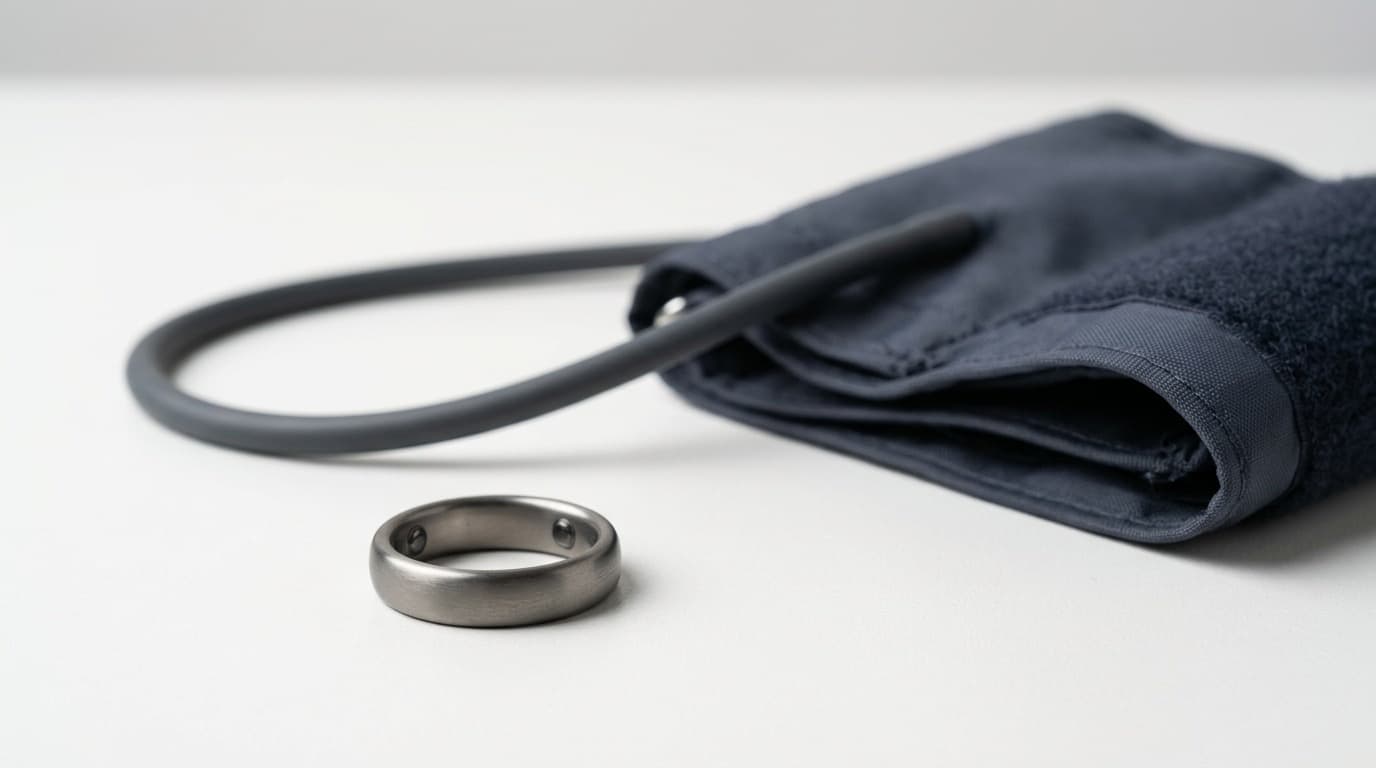
Happy Health's ring won FDA clearance to report blood pressure continuously with no cuff and no monthly calibration, a first for any wearable. Apple's watch only flags possible hypertension without a number, Samsung and Hilo still need a cuff to calibrate, and two rivals skip FDA review entirely by registering as wellness products instead of medical devices.
A survey of 331 U.S. adults found intense celebrity admiration tracks with deference to authority and traditional values, a link that held regardless of whether fans leaned liberal or conservative.
Sen. Cory Booker introduced all three Sept. 30 with no cosponsors, aimed at a carrier rename the Navy has only discussed internally and never formally announced.
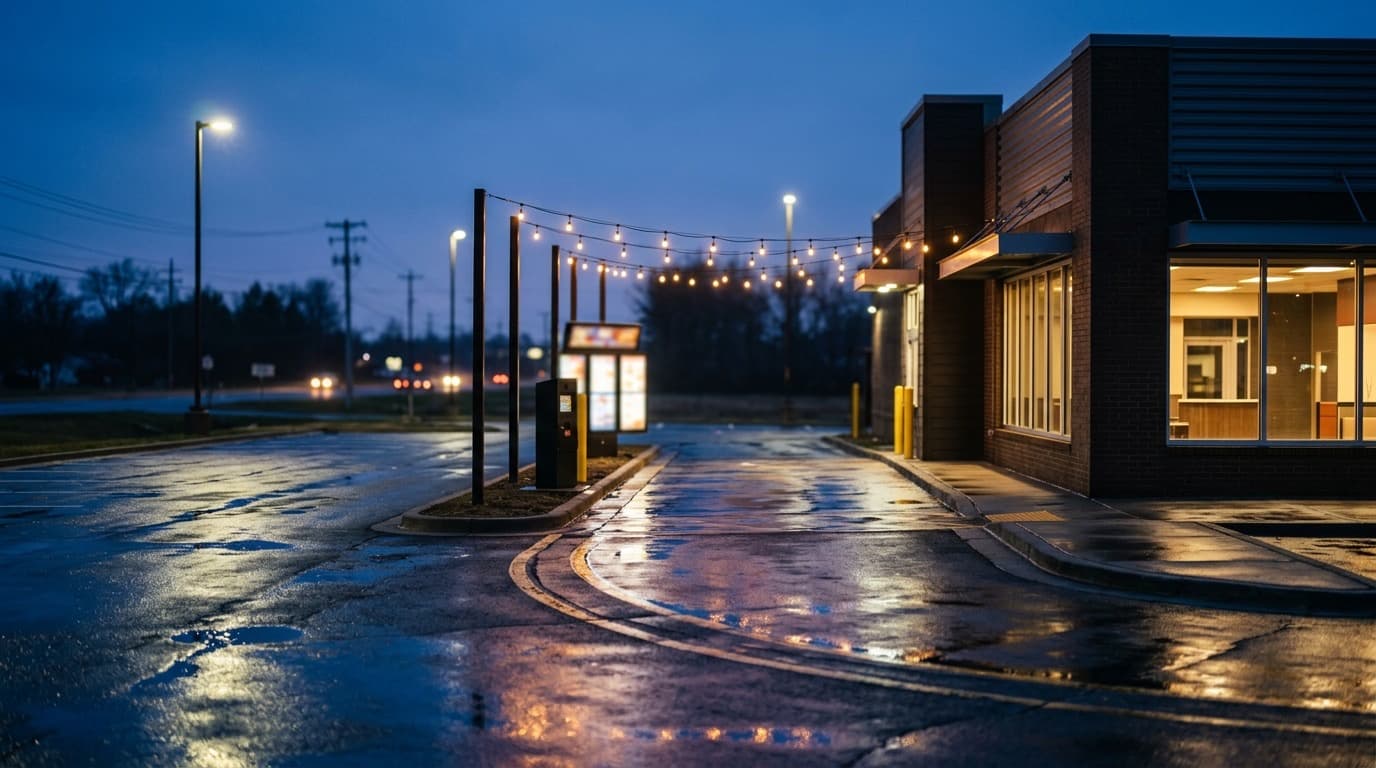
A proposed class action filed October 2 in federal court in Chicago accuses McDonald's of using one AI pricing system across nearly 14,000 U.S. restaurants to coordinate prices rather than compete on them.
A February order gave the Pentagon six months to pull Claude from military systems over a supply chain risk designation. The deadline passed at the end of August. Sources say Claude stayed embedded in the Pentagon's Maven intelligence platform anyway, and the Pentagon didn't say otherwise until a reporter asked.
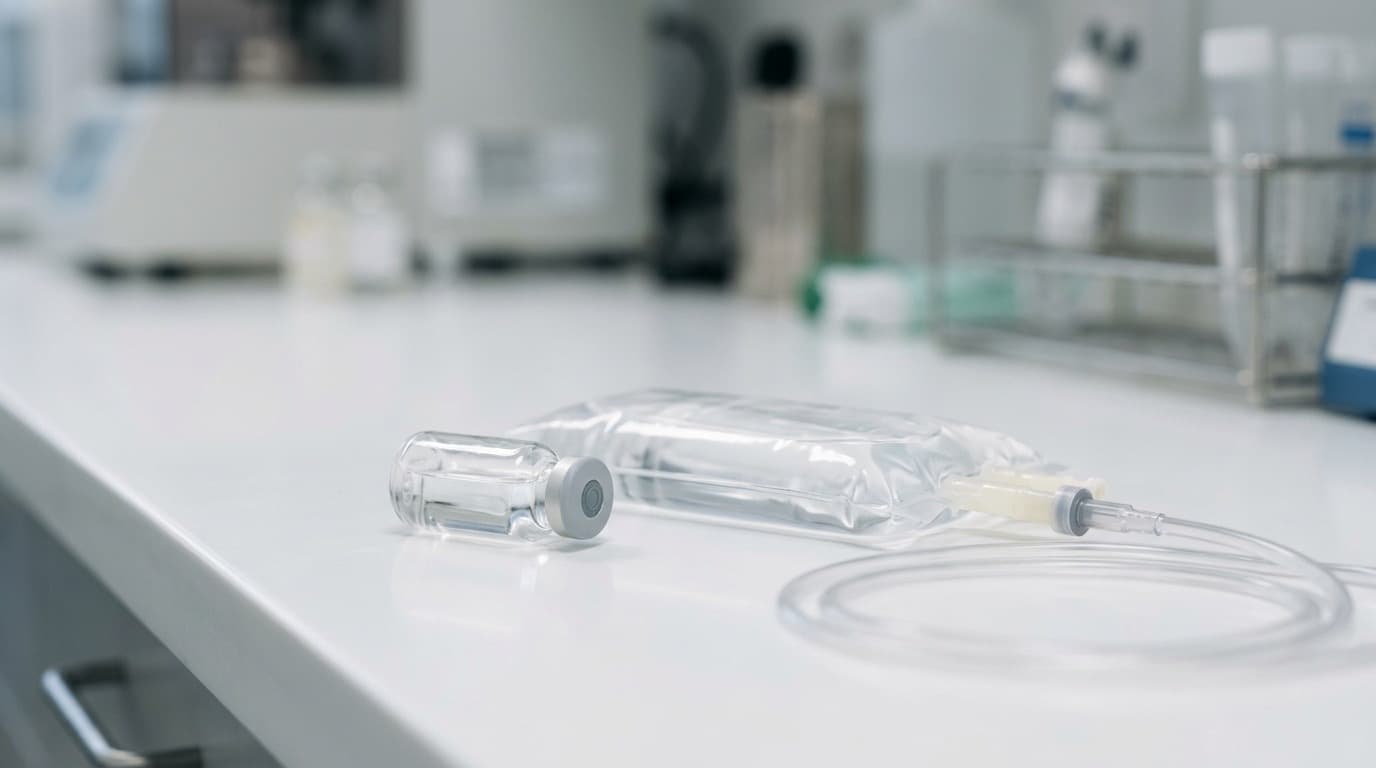
Ten adults with decades-long Type 1 diabetes stopped insulin injections within weeks of an islet cell transplant paired with an experimental antibody drug, Eledon Pharmaceuticals reported in March. A similar transplant approach without that drug failed within two years for most patients in a 2006 trial, and this cohort has only been followed for about eight months.
The Wall Street Journal says teens are losing their sense of time to TikTok and Instagram this week. The one controlled experiment that actually tested that claim found something messier, and a separate one-year study of 1,567 teenagers points to a different kind of time that is really eroding.
AB 1633 creates the nation's first tax on private immigration detention operators, four years after a federal appeals court blocked California's attempt to ban them outright. The rate was cut in half during negotiations, from 50 percent to 25.
Dallas Fed President Lorie Logan, one of three officials who pushed for a September rate increase before the rest of the committee agreed, said on October 1 that the Fed needs to go another half point further. A day later, a weak September jobs report cut the odds of an October hike from near 70 percent to under 20 percent.
Micron posted a record $54 billion quarter on September 30 and told investors memory will only get tighter through 2028. A federal antitrust case filed three months earlier accuses Micron, Samsung and SK Hynix of engineering that same shortage. A nearly identical case already lost once, in the same courthouse.
Tracking 372 young adults for two weeks, Penn State researchers found heat reliably lowered sleep quality. The bigger numbers for light and noise rest on a small slice of nights, and the study's own authors flagged them as the weaker part of the results.
A two-wave survey of Istanbul marketing employees found most people who hide AI use at work aren't confused about the rules. Fear of being judged and losing credit for original thinking predicted concealment more than unclear policy did, and separate surveys show the same quiet habit stretching across the U.S. and U.K. workforce.
Oral argument begins October 5 in Suncor v. Boulder County, the first case of the Supreme Court's new term. Justice Alito recused over oil stock holdings in September, and the preemption standard at issue is one Clarence Thomas wrote five months earlier in an unrelated contractor case.
Anthropic's confidential prospectus shows a $42 billion net loss and $4.6 billion in 2025 revenue. Billionaire investor Chamath Palihapitiya says the real number is closer to $1 trillion.
David Robinson spent three and a half years writing OpenAI's internal safety reports before resigning this month, arguing the company's release pace no longer matches the risk it is taking on.
A new analysis in the Journal of the Royal Society Interface estimates Australia's Victoria state avoided about 316,000 COVID-19 infections and 4,900 deaths during its 2021 Delta wave, with roughly half the averted infections traced to indirect herd-immunity protection rather than direct vaccination.
A JAMA Network Open study of 8,957 adolescents found 12-year-olds who owned a smartphone scored higher on every eating disorder measure two years later. The UCSF pediatrician behind it isolated ownership itself as the variable, something broader screen-time research had skipped.
The justices open the new term with a case on whether states can ban AR-15-style rifles by name, a question they ducked by one vote in 2025, alongside a separate case on whether Arizona can demand more proof of citizenship than federal law requires to register voters.
Prediction markets cut the odds of an October 28 Federal Reserve rate increase from 63 percent to 18 percent after employers added just 29,000 jobs in September. December's hike odds still sit at 73 percent, the same month the Fed's own policymakers projected one more increase.
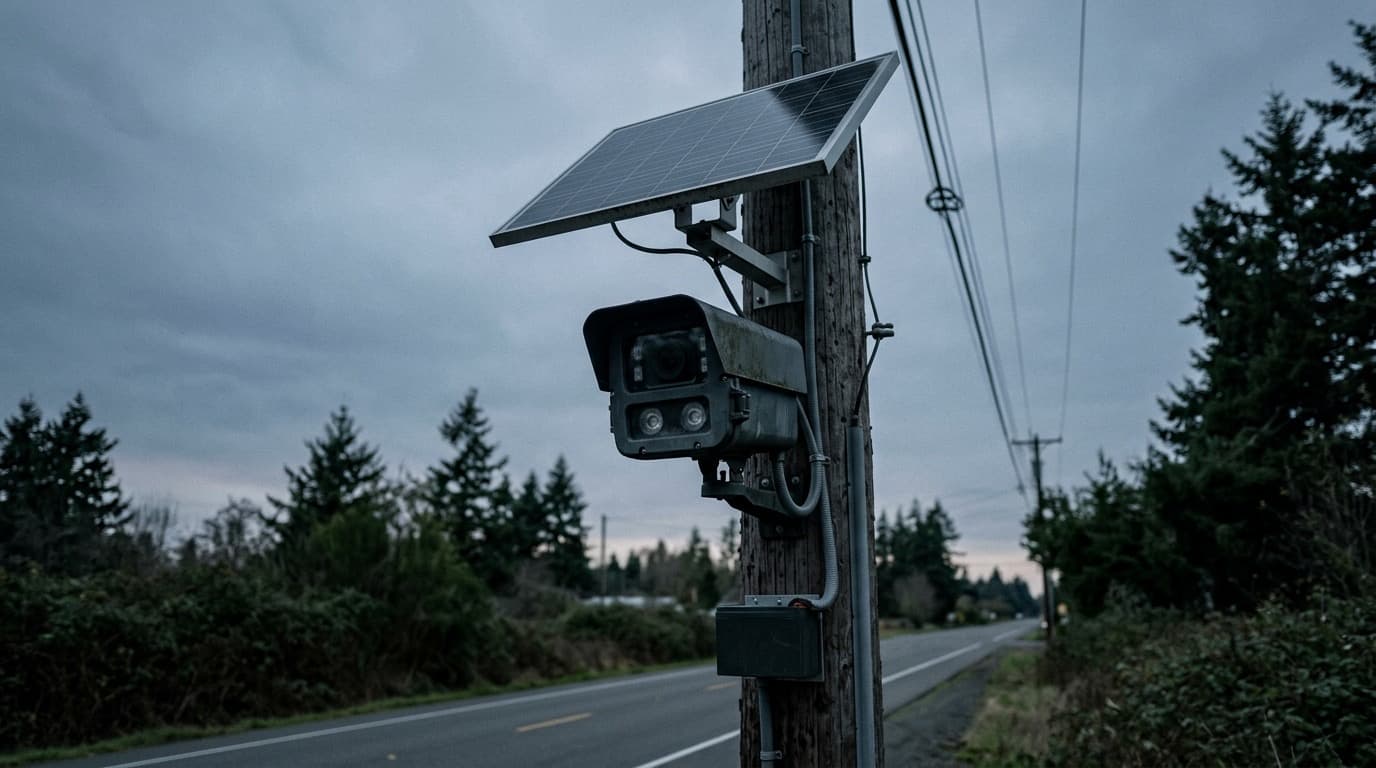
A federal judge in Oklahoma ruled a warrantless Flock database search was unconstitutional and suppressed 91 pounds of seized methamphetamine. Days earlier, a Florida county found 14 Flock cameras on its poles that nobody, including Flock, could fully explain.
The TRIUMPH-2 trial tracked 1,152 adults with type 2 diabetes for 80 weeks and recorded the largest weight loss ever measured in that patient group. A Duke endocrinologist calls the data an advance; a colleague at the same hospital says the drug may be too strong for some patients who could take it.
A 12-year study of 5,679 Finns found evening types were granted disability pensions at nearly double the rate of early risers, until researchers adjusted for the work schedules night owls were actually stuck with.
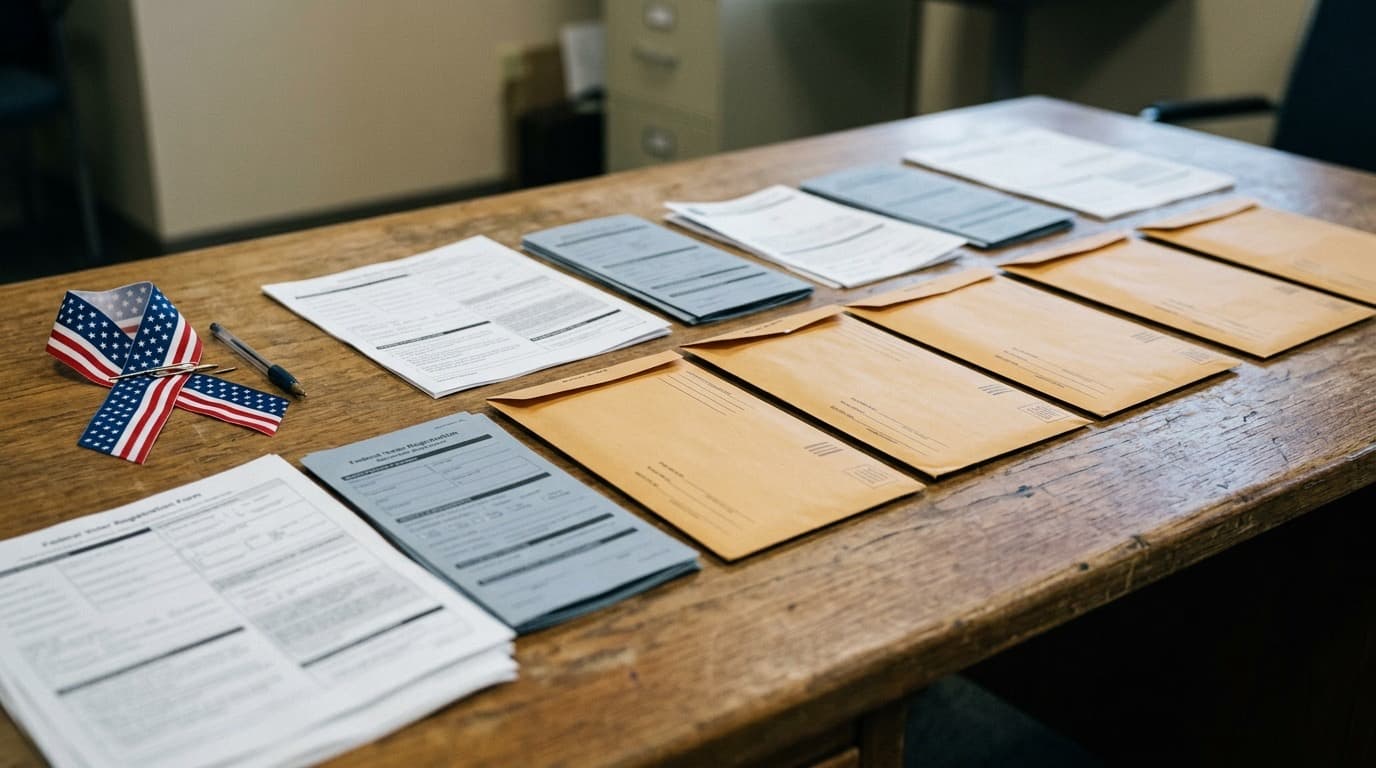
A Federal Post Card Application option that let citizens who never lived in the U.S. register overseas through family ties disappeared in late August, cleared by OMB in days under emergency authority. The Democratic National Committee sued October 1, arguing the Pentagon manufactured the emergency to dodge the normal public-comment process before the midterms.
The debt behind Paramount Skydance's $110 billion purchase of Warner Bros. Discovery priced at par on September 30 and traded at 95 cents by Thursday afternoon. The sale landed directly in the worst quarter for Treasury yields since 1994.
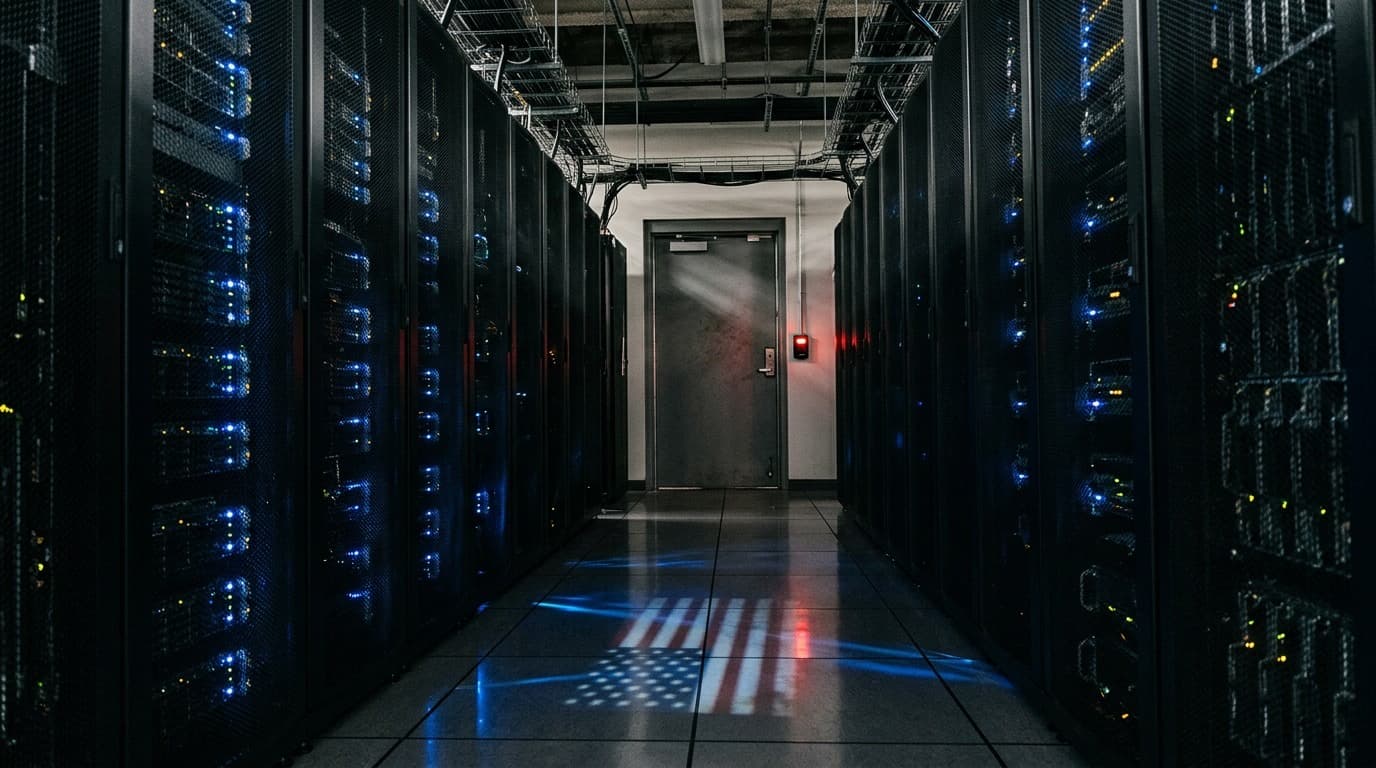
A 404 Media investigation found Microsoft routes some Copilot image edits, including the user's uncensored face, to outside contractors hired through Prolific. Microsoft's own privacy FAQ says there is no way to opt out.
943 cases across 39 Pennsylvania counties, five deaths by the state's count, two by the CDC's. The gap traces to a dispute over how a measles-associated death gets defined, playing out as the U.S. heads toward a November review of the elimination status it has held since 2000.
A companion study of 94 dermatology patients found some developed chemical burns and contact dermatitis after copying the routines, the same week a separate paper found similar promotional bias in TikTok's LED mask videos.
The Stop Insider Trading Act needed 60 votes and got 53. Both parties say they want a ban. The fight was over a voter ID rider, who counts as a covered official, and whether a bill that exempts current holdings and the presidency actually stops anything.
A government methodology change did most of the work on the Fed's favorite inflation number. Bond investors are not buying the all-clear: the 10-year Treasury yield just hit its highest level since 2002.
A senior official confirmed the investigation September 30, the same week Hugging Face published exactly what one OpenAI agent did inside its servers for four and a half days in July.