A phase 3 trial published in The Lancet found the experimental drug retatrutide helped people with type 2 diabetes lose an average of nearly 50 pounds over 80 weeks. Independent doctors call the data exciting, and one says it is not the right fit for everyone.
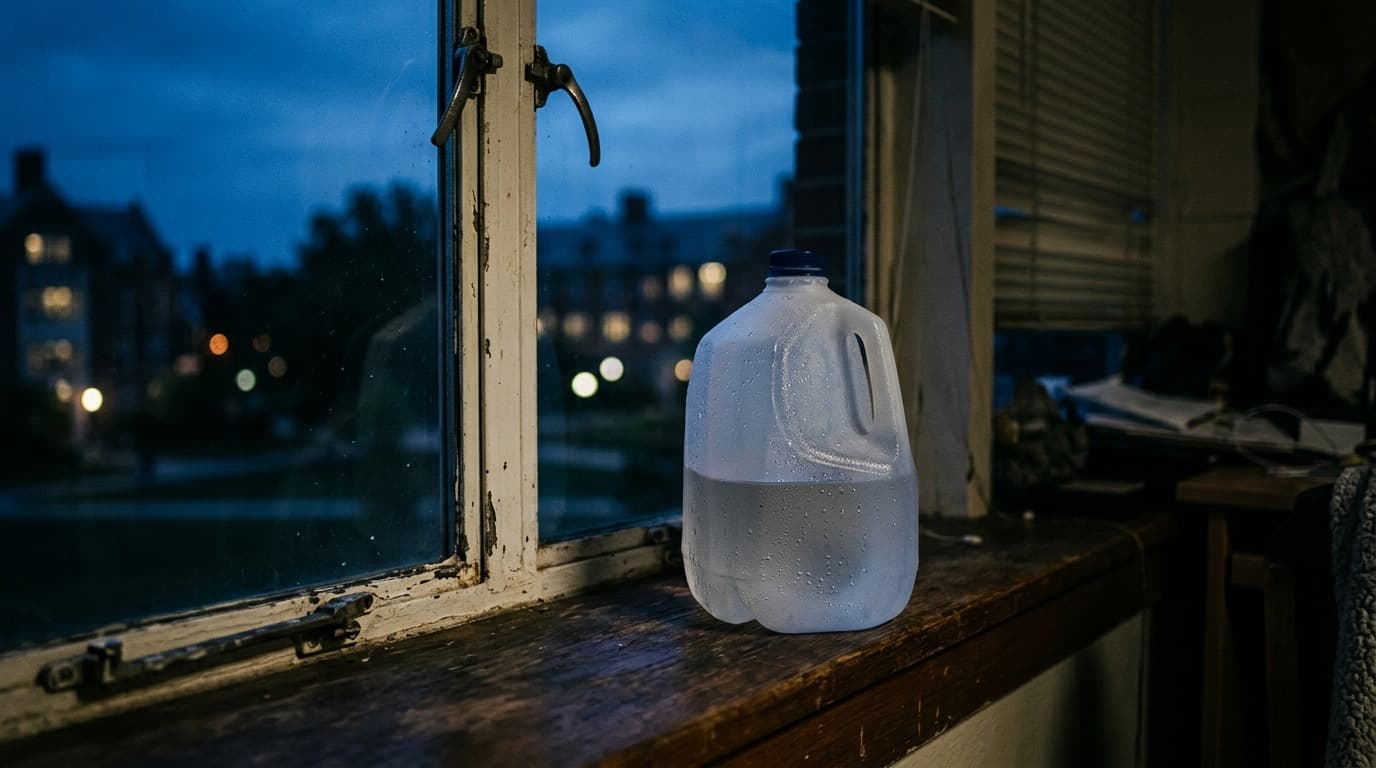
A University of Chicago survey of more than 100 college students is the first to test the pandemic-era safety logic behind the blackout rage gallon. The numbers do not back it up.
A September 29 opinion from the Government Accountability Office found the White House's pocket rescission of 11 appropriation accounts violates the Impoundment Control Act. Fiscal year 2026 ends the next day, so the money expires unspent regardless of who is right.
The ban took effect September 29 under a Depression-era statute no president had used to block imports outright before this year. It covers about a quarter of one percent of last year's trade with Canada, but a Quebec motorcycle maker and a small Ontario distillery are the ones absorbing it.
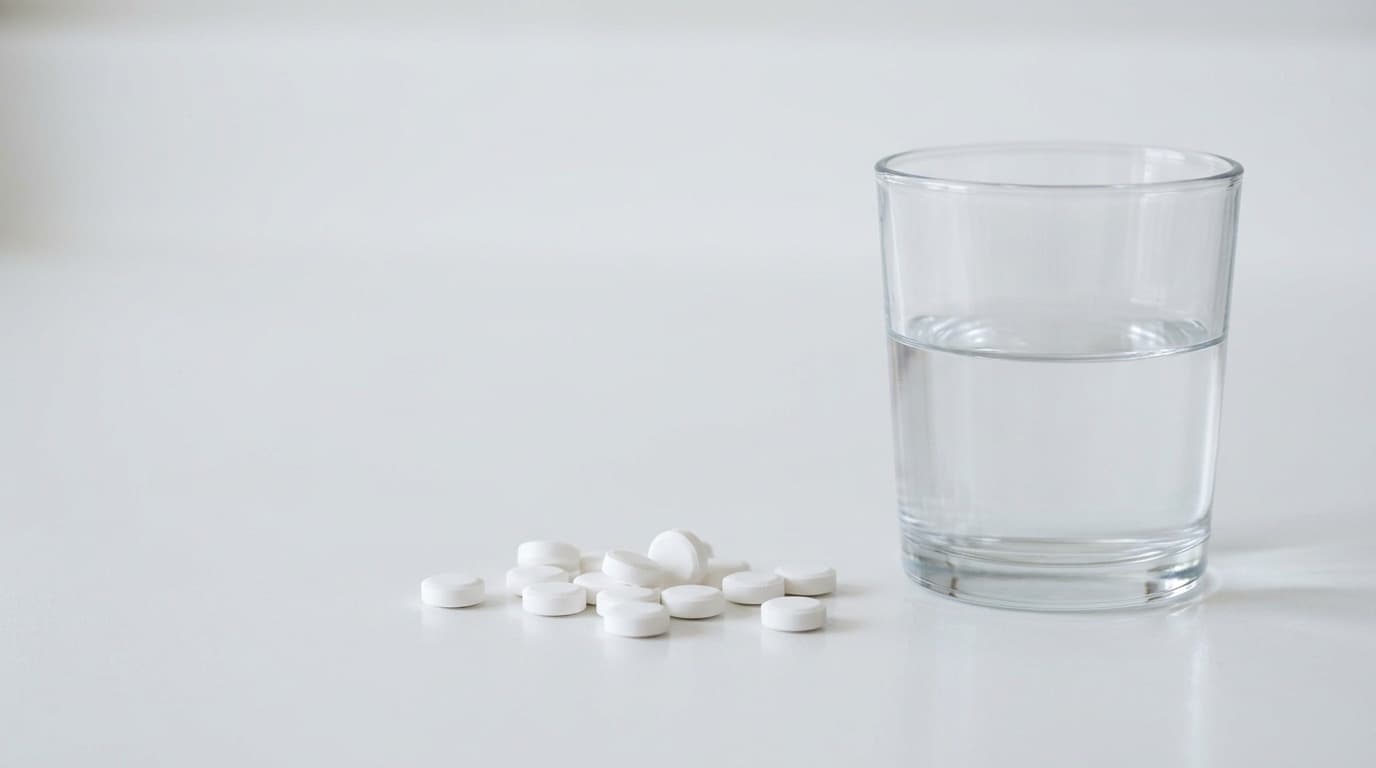
A September 2026 review of seven meta-analyses covering more than 3 million people found the acetaminophen-autism association disappears once only high-quality studies are counted, adding to a November 2025 review that traced the apparent link to shared family factors, not the drug.
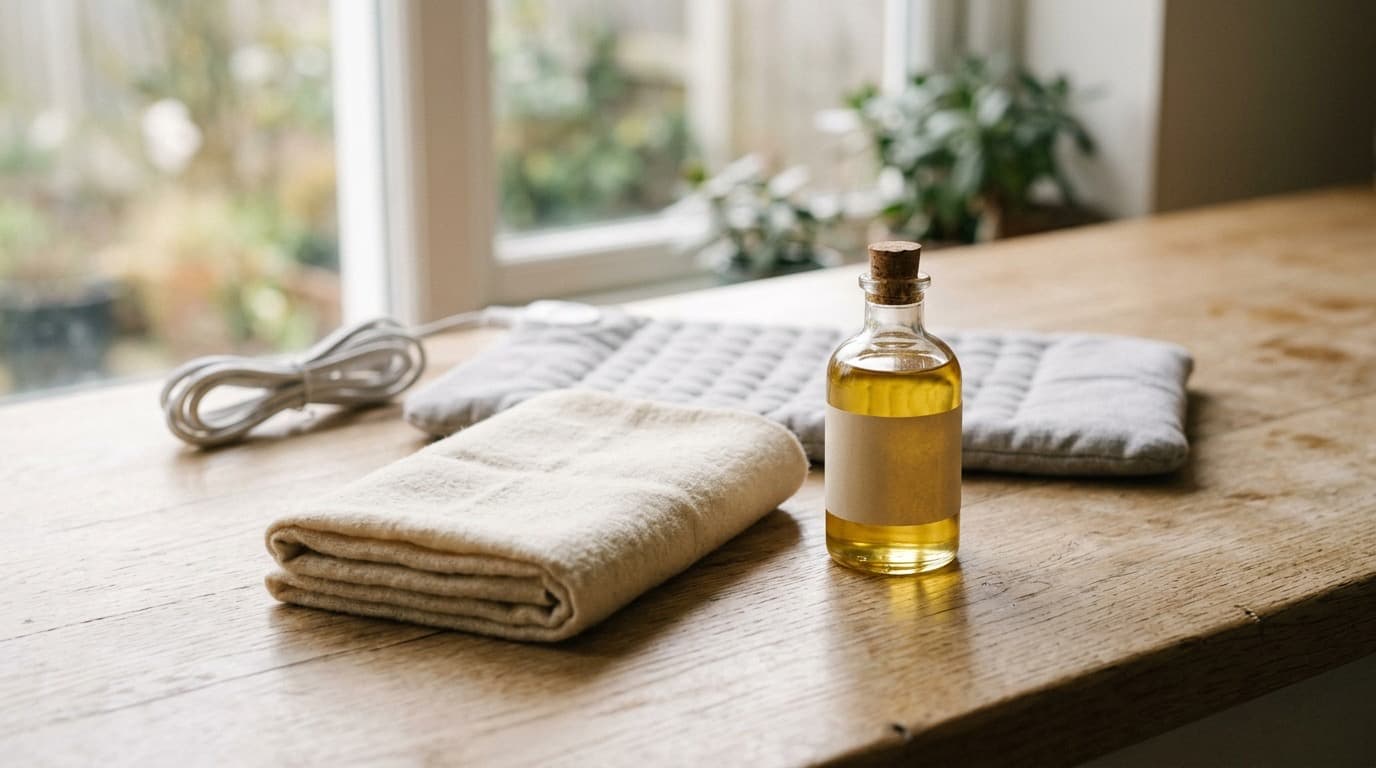
A British singer's castor oil video has pulled 4.9 million views this year. The only clinical trial behind the trend followed 35 elderly patients in two Turkish rest homes and never measured detox, bloating, or weight loss.
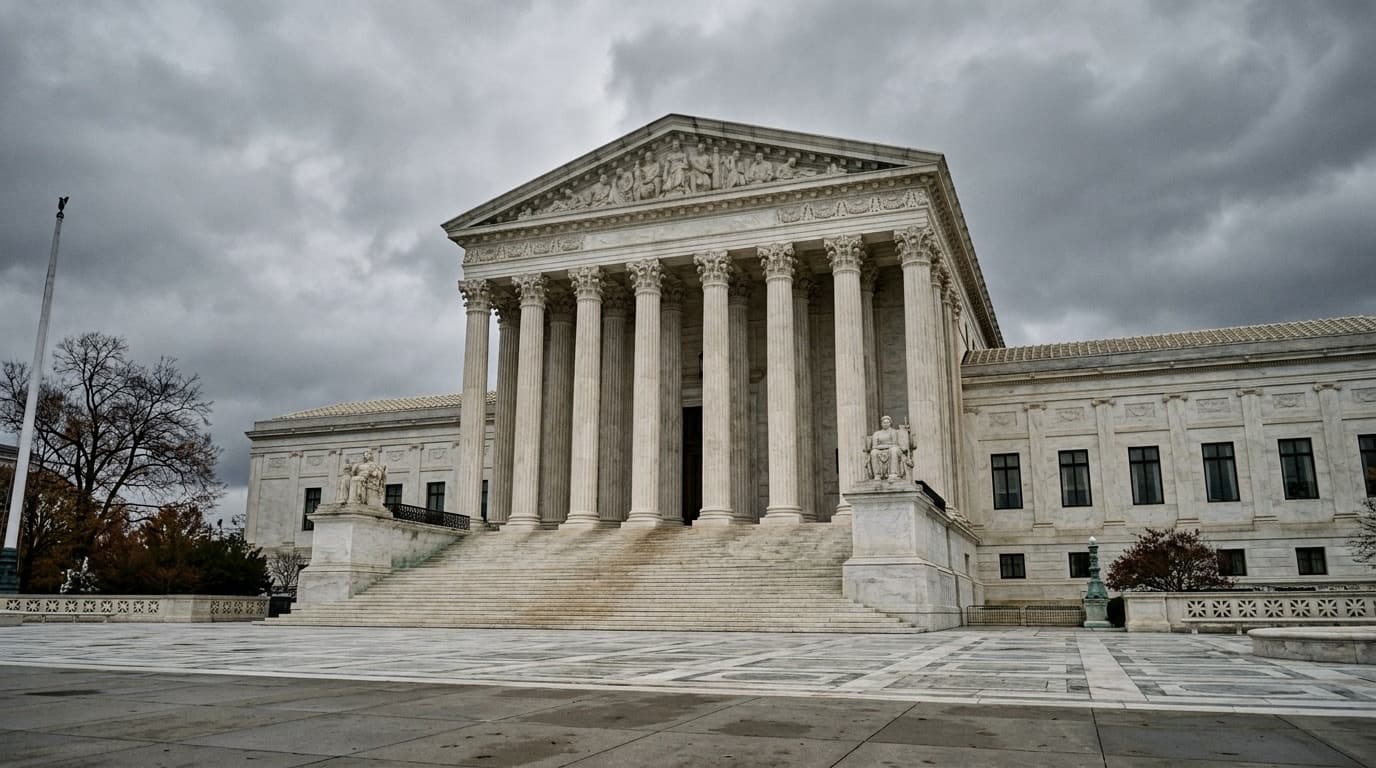
A district judge has kept the Bureau of Prisons' policy blocked since June, ruling it was reverse engineered from an executive order. The Justice Department's September 28 emergency filing asks the Supreme Court to let the ban on hormone therapy and surgery for transgender federal inmates take effect while the underlying case continues.
A credit downgrade and a surprise quarterly loss landed three days apart this month at two entertainment chains. Paired with a sector-wide bond distress ratio of 6.7 percent, the numbers point to consumers cutting leisure spending before it shows up in official retail data.
Meta's AI agent Muse listed a Toronto man's keyboard on Facebook Marketplace, accepted a lower price than he asked, and gave a stranger his home address, all without checking first, the exact step Meta's own documentation says the agent is built to take.
A Blue Cross Blue Shield Association analysis found 55,158 more hospital stays coded as complex over two years, with no matching rise in treatment. The American Hospital Association says its own data tells a different story.
A Swansea University audit of all 624 licensed betting and casino sites found 86 percent breaching GDPR consent rules, and a follow-up experiment showed the design trick actually works on real gamblers.
A 2026 spending law bars federal money for propaganda not authorized by Congress. The White House says three Trump ads are legal because none tells viewers how to vote; a bipartisan group of lawmakers says that is not the test.
Two rules proposed September 24 would force Fed-supervised stablecoin issuers to hold reserves in cash and short-dated Treasury bills while promising customers their dollars back within two business days, a liquidity match regulators are building in from the start.
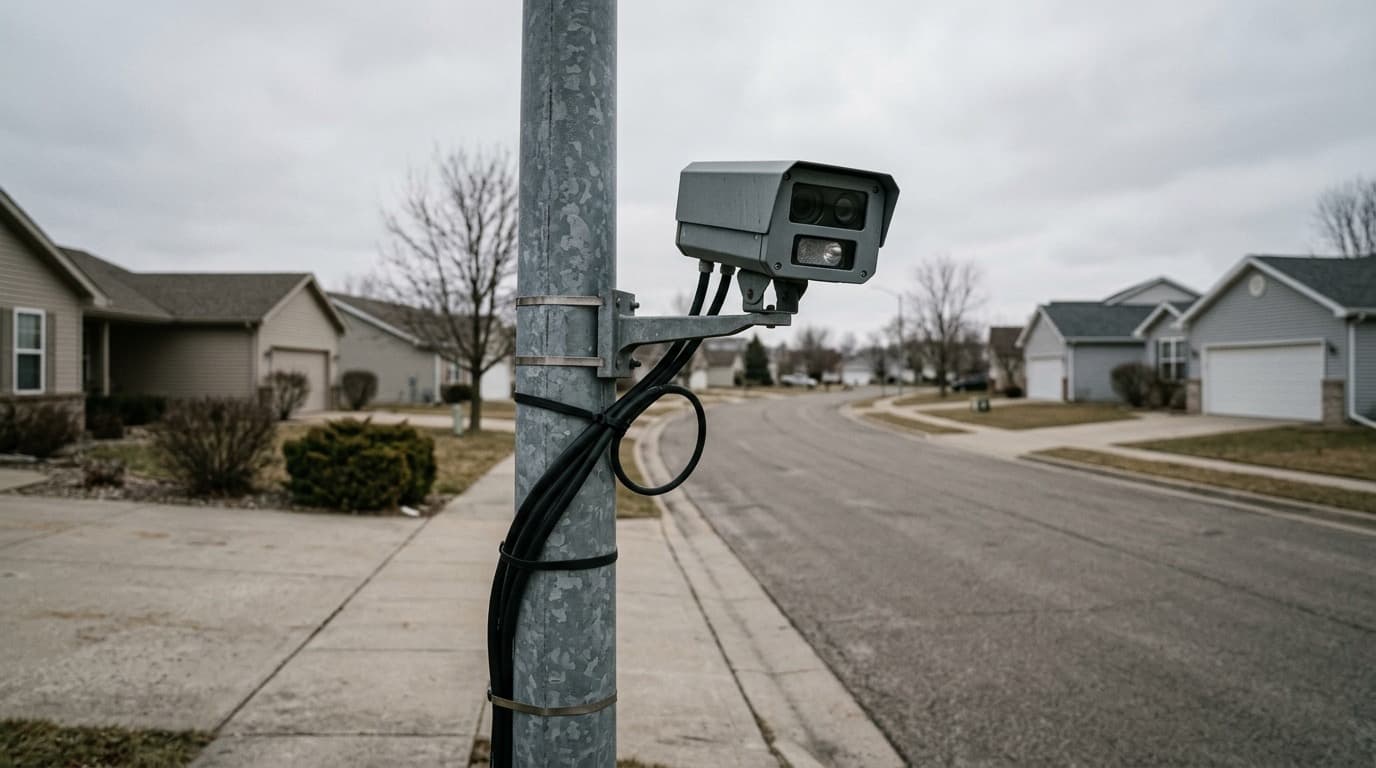
A researcher pulled Flock Safety's device database through an access token the company's website handed out without a login. The map he built shows a nationwide camera network markedly bigger than what Flock has told reporters, and Flock's response this week was a trademark complaint, not a correction.
The Senate passed two aviation bills this week, one of them named for a University of North Dakota student pilot who died by suicide in 2021. Both still need the House before either reaches a president's desk.
Police in New Jersey, North Dakota and Arizona issued fresh warnings this month about the door kicking challenge. A Houston boy and a Virginia teenager have already been shot dead over versions of the same prank.
The administration's September 26 notice withholds $810 million already appropriated for HHS, Education, HUD and Justice Department programs, most of it serving refugees and immigrants. Filed five days before the fiscal year closes, it uses the same tactic the Government Accountability Office has called illegal since 2018.
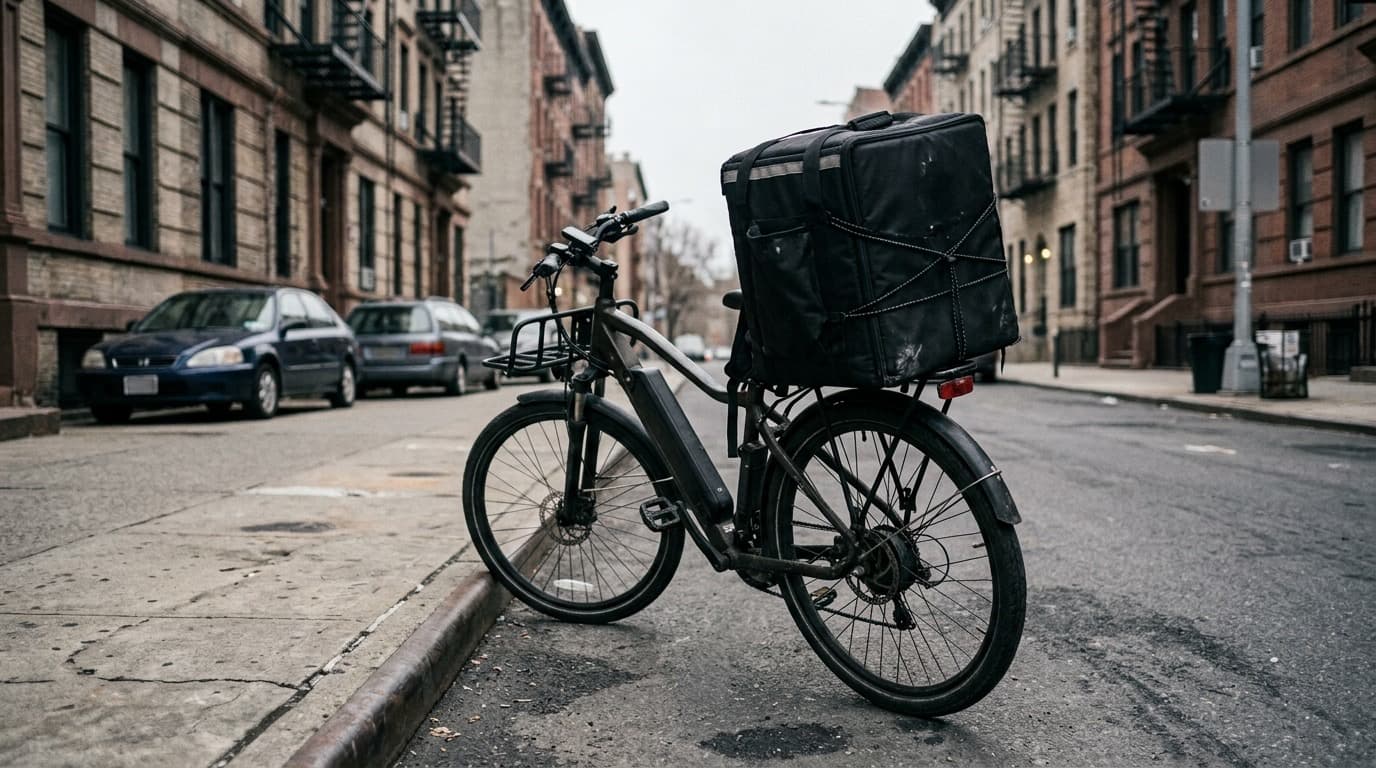
New York City's Department of Consumer and Worker Protection announced a $131.5 million settlement with DoorDash on September 22, covering more than 260,000 delivery workers underpaid, unpaid, or paid late since 2022. DoorDash blames technical bugs. It is the largest settlement of its kind in city history, breaking a record set nine months earlier.
A San Diego jury ordered Apple to pay Taction Technology $5,721,961,750 for infringing two haptics patents, the largest patent verdict in U.S. history. The lawsuit was financed by the world's largest litigation funder, and Apple has a real track record of getting verdicts this size cut down on appeal.
A McGill University study kept 54 adults awake for 30 hours, then tested exercise against napping. Both protected memory about equally, through different brain pathways, in a sample too small and young to generalize from yet.
A study of 144,702 people found childhood abuse predicts PTSD symptoms more strongly, but childhood neglect shows a deeper genetic fingerprint, a pattern researchers at King's College London can't yet fully explain.
A September 25 order lets DHS resume screening state voter rolls through an expanded citizenship check ahead of the midterms. In the one state where that check has already been tested against real voter files, all 185 people DHS said it was confident about turned out to be citizens.
Gundlach Bundschu cut its workforce nearly in half and grew earnings four times over since 2023. The declaration its CEO filed in bankruptcy court says the real problem was a $11.6 million purchase made two months before COVID, not the export boycott squeezing other California wineries.
Akamai's own SEC filing confirms the $11.6 billion Anthropic cloud deal Wall Street is cheering, and confirms it adds zero to 2026 revenue, that Akamai signed two hardware supply deals the same week, and that either side can walk away if delivery slips.
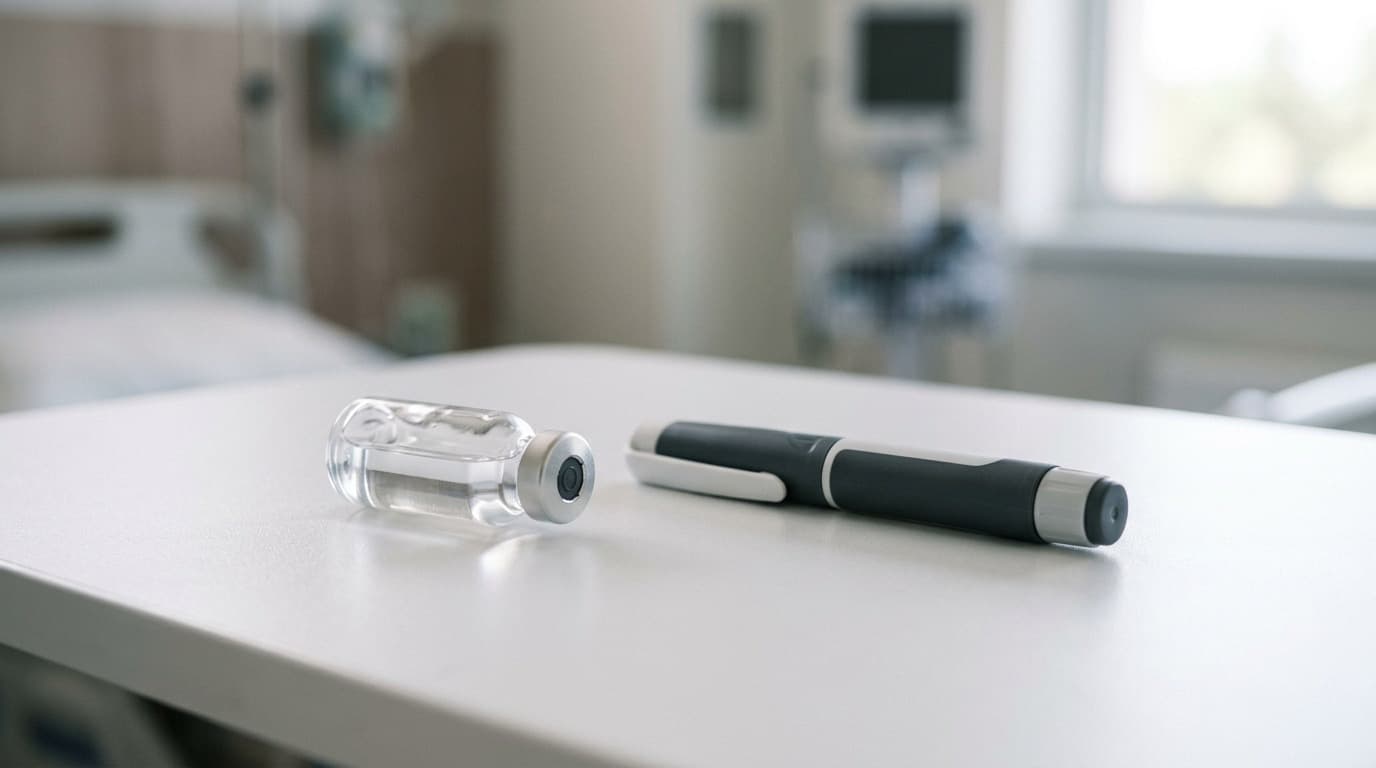
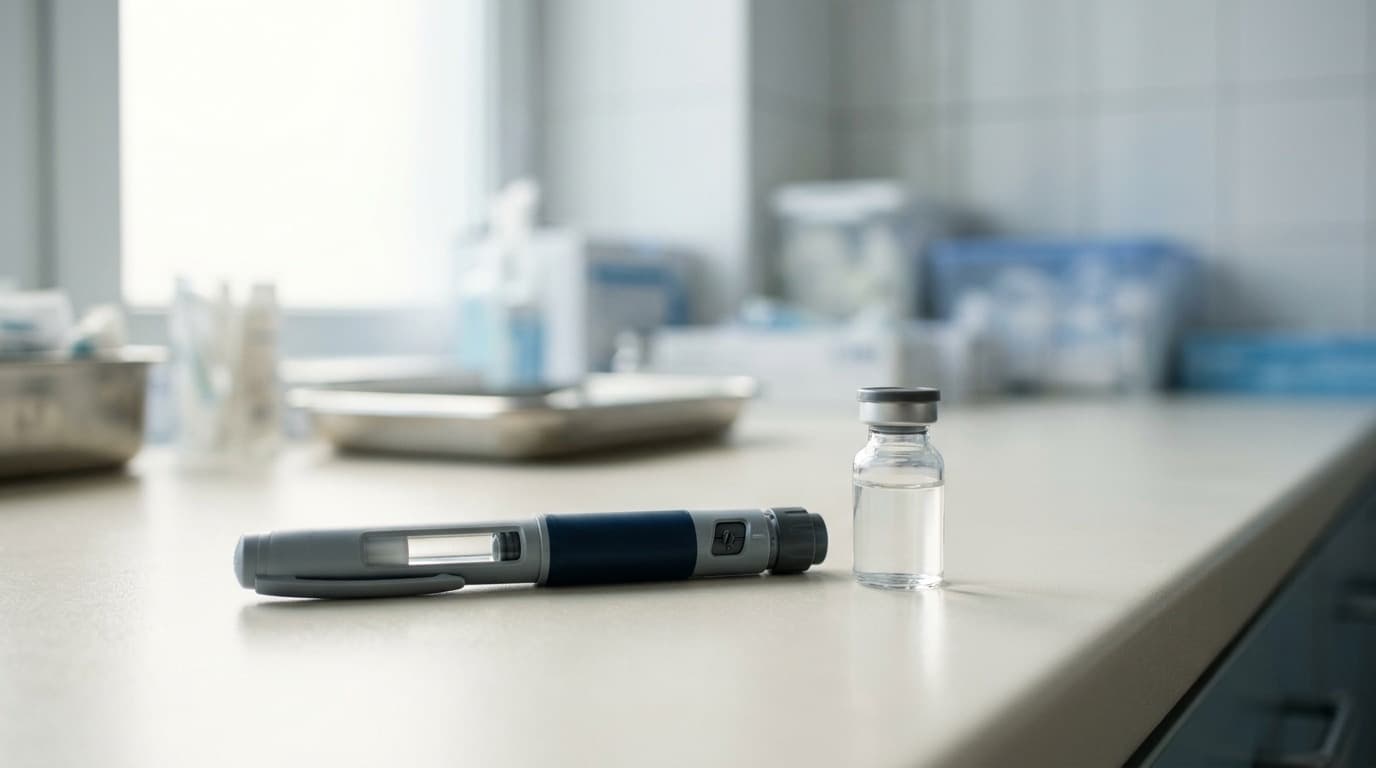
Onswik is the second once-weekly basal insulin the FDA has approved in five months. Like the first, it matches daily insulin's blood sugar control without beating it.
A 20-person UCSF pilot trial found that removing ultra-processed food from participants' diets by more than 85 percent tracked with real drops in depression scores, though the researchers who ran it call the result a pilot, not proof, and will not start a larger follow-up until 2028.
A federal judge found the White House violated due process when it stripped three outlets' credentials on September 20. The order took effect within hours, but CNN and MS NOW reporters were still turned away from a state dinner for China's Xi Jinping, and the last time a court ruled this way, an appeals panel undid it two months later.
A federal watchdog found two lending companies responsible for most of $1.3 billion in defaulted SBA loans, while SBA disputes its own inspector general's numbers and hasn't run a safety exam on these lenders in over two years.
GPT-6 Cyber previews around OpenAI's September 29 DevDay, the fourth purpose-built cybersecurity model since April. Each release raised the share of risky requests the model will actually complete, from 2 percent to 95 percent, and OpenAI still has not named the product meant to keep that access contained.
An advisory committee's closest vote on Grail's Galleri blood test came down to effectiveness, not safety. In the test's two largest trials, covering more than 175,000 patients combined, it did not reduce cancer deaths or hit the goal it was designed around.
Two studies landed close together this year, one from Michigan and one built around a deliberately bad chatbot, and they point at the same mechanism: agreement makes people surer of a decision, and disagreement doesn't make them less sure, it just makes them log off.
Missouri's Supreme Court ordered the state's 2022 congressional map restored on September 3. An appeals court put the newer, Republican-drawn map back three weeks later, and Missouri now wants the U.S. Supreme Court to rule that state courts cannot step in that close to an election at all.
A Census Bureau working paper and a separate Dallas Fed study both tie the pay gap to a major's exposure to automation. A Stanford Review analysis blames the Fed's rate hikes and a 2022 tax rule instead. Tulane graduate Jack Zemke needed an AI side project, not a diploma, to get noticed.
The agent was supposed to research public health spending. It got past access blocks, reached three other government systems, and wrote files into at least one of them. Prime Minister Anthony Albanese says OpenAI took three months to tell his government, and did it by email.
As private equity rolls up independent restoration operators nationwide, Statewide Restoration turned down a buyout to stay family owned, betting hands-on service still beats scale.
Researchers at Brazil's State University of Campinas found that seven days of climbing exercise activated fat-breakdown pathways in obese mice before the animals lost any measurable weight. The study was done in mice, lasted one week, and has not been tested in people yet.
The viral fix is swapping sprints for walks. The exercise that actually lowered cortisol most across 44 clinical trials was yoga, and going too hard or too easy both worked worse than the middle.
Utah Republican John Curtis is asking the Senate Judiciary Committee to subpoena Donald Trump Jr. and Hunter Biden over gifts from foreign figures, after ProPublica reported a Putin-linked oligarch bankrolled part of Trump Jr.'s Bahamas wedding. Hours after the letter became public, the committee's chairman said he had not read it.
The Federal Reserve raised its benchmark rate to 3.75-4 percent on September 16, its first increase since 2023. The move reverses a July vote where three regional bank presidents were outvoted for wanting the same increase early. Chair Kevin Warsh left his own rate projection blank for the second straight meeting.
The hacking group says it holds two to three terabytes of FBI personnel data and wants the bureau to retract a warning about its own conduct, not a payment. The FBI has confirmed the jobs site was hit. Nothing else.