A UC Berkeley News story says ten minutes with a chatbot erodes persistence. The paper behind it found lower solve rates every time, and a skip-rate gap that was not statistically significant in its best-controlled experiment.
A survey of 1,485 UK finance workers finds a 0.48-point comfort gap on a seven-point scale in teams that are 75 percent male or more. It also shows no gap in expected penalties, and it comes with caveats the headline leaves out.
A VCU researcher interviewed 26 Gen Z TikTok users who follow doctor-influencers and found most never checked whether those doctors are licensed. They rated the strangers online as more accessible, more credible, and more caring than the physicians who have actually treated them.
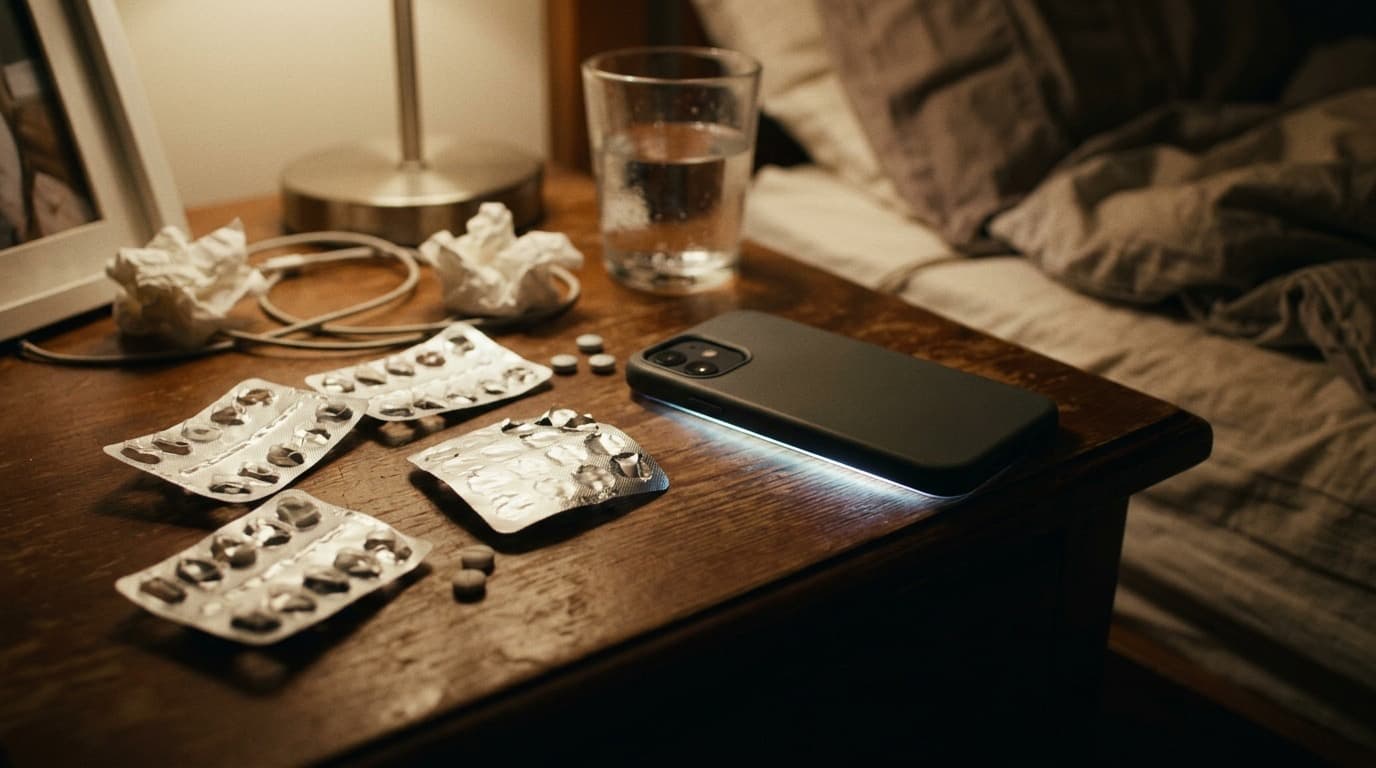
A Rutgers doctor treated the case herself. A 2026 study built on 2020 data shows online dares for the Benadryl Challenge still predict real overdose spikes about ten days later.
A survey of 331 U.S. adults found intense celebrity admiration tracks with deference to authority and traditional values, a link that held regardless of whether fans leaned liberal or conservative.
The Wall Street Journal says teens are losing their sense of time to TikTok and Instagram this week. The one controlled experiment that actually tested that claim found something messier, and a separate one-year study of 1,567 teenagers points to a different kind of time that is really eroding.
A two-wave survey of Istanbul marketing employees found most people who hide AI use at work aren't confused about the rules. Fear of being judged and losing credit for original thinking predicted concealment more than unclear policy did, and separate surveys show the same quiet habit stretching across the U.S. and U.K. workforce.
A JAMA Network Open study of 8,957 adolescents found 12-year-olds who owned a smartphone scored higher on every eating disorder measure two years later. The UCSF pediatrician behind it isolated ownership itself as the variable, something broader screen-time research had skipped.
A 12-year study of 5,679 Finns found evening types were granted disability pensions at nearly double the rate of early risers, until researchers adjusted for the work schedules night owls were actually stuck with.
A companion study of 94 dermatology patients found some developed chemical burns and contact dermatitis after copying the routines, the same week a separate paper found similar promotional bias in TikTok's LED mask videos.
A University of Chicago survey of more than 100 college students is the first to test the pandemic-era safety logic behind the blackout rage gallon. The numbers do not back it up.
A British singer's castor oil video has pulled 4.9 million views this year. The only clinical trial behind the trend followed 35 elderly patients in two Turkish rest homes and never measured detox, bloating, or weight loss.
A Swansea University audit of all 624 licensed betting and casino sites found 86 percent breaching GDPR consent rules, and a follow-up experiment showed the design trick actually works on real gamblers.
Police in New Jersey, North Dakota and Arizona issued fresh warnings this month about the door kicking challenge. A Houston boy and a Virginia teenager have already been shot dead over versions of the same prank.
A study of 144,702 people found childhood abuse predicts PTSD symptoms more strongly, but childhood neglect shows a deeper genetic fingerprint, a pattern researchers at King's College London can't yet fully explain.
A 20-person UCSF pilot trial found that removing ultra-processed food from participants' diets by more than 85 percent tracked with real drops in depression scores, though the researchers who ran it call the result a pilot, not proof, and will not start a larger follow-up until 2028.
Two studies landed close together this year, one from Michigan and one built around a deliberately bad chatbot, and they point at the same mechanism: agreement makes people surer of a decision, and disagreement doesn't make them less sure, it just makes them log off.
The viral fix is swapping sprints for walks. The exercise that actually lowered cortisol most across 44 clinical trials was yoga, and going too hard or too easy both worked worse than the middle.
AI-generated Cat in the Hat threats have triggered lockdowns and juvenile arrests across a dozen states since August. Criminologists have been measuring this exact copycat surge since Columbine.
A University of Maribor analysis spanning three decades and six World Values Survey waves found lagged internet access is the strongest predictor of religious decline worldwide, ahead of education, income or globalization. The lead researcher says the pattern might not hold going forward.