The First Real Study of BORG Drinking Found Nearly a Third of Users Blacked Out
A University of Chicago survey of more than 100 college students is the first to test the pandemic-era safety logic behind the blackout rage gallon. The numbers do not back it up.

By Sana Whitfield, Culture, Science & Life
· 4 min read · Updated
Key Takeaways
- •A University of Chicago survey of more than 100 college students, published September 15, 2026 in the Journal of Studies on Alcohol and Drugs, is the first study to directly examine BORG (blackout rage gallon) drinking.
- •Nearly one third of respondents reported blacking out from a BORG event, 17 percent vomited, and 59 percent said or did something embarrassing afterward.
- •A full BORG can hold up to a fifth of liquor, about 17 standard drinks, intended for one person over one night.
- •Despite personalized labels meant to keep each jug to one drinker, students reported sharing sips anyway, undercutting the format's original anti-spiking rationale.
- •By comparison, 25 percent of full-time college students reported binge drinking at least once in the past month in the 2024 National Survey on Drug Use and Health, a monthly rate lower than the acute blackout rate tied to a single BORG event.
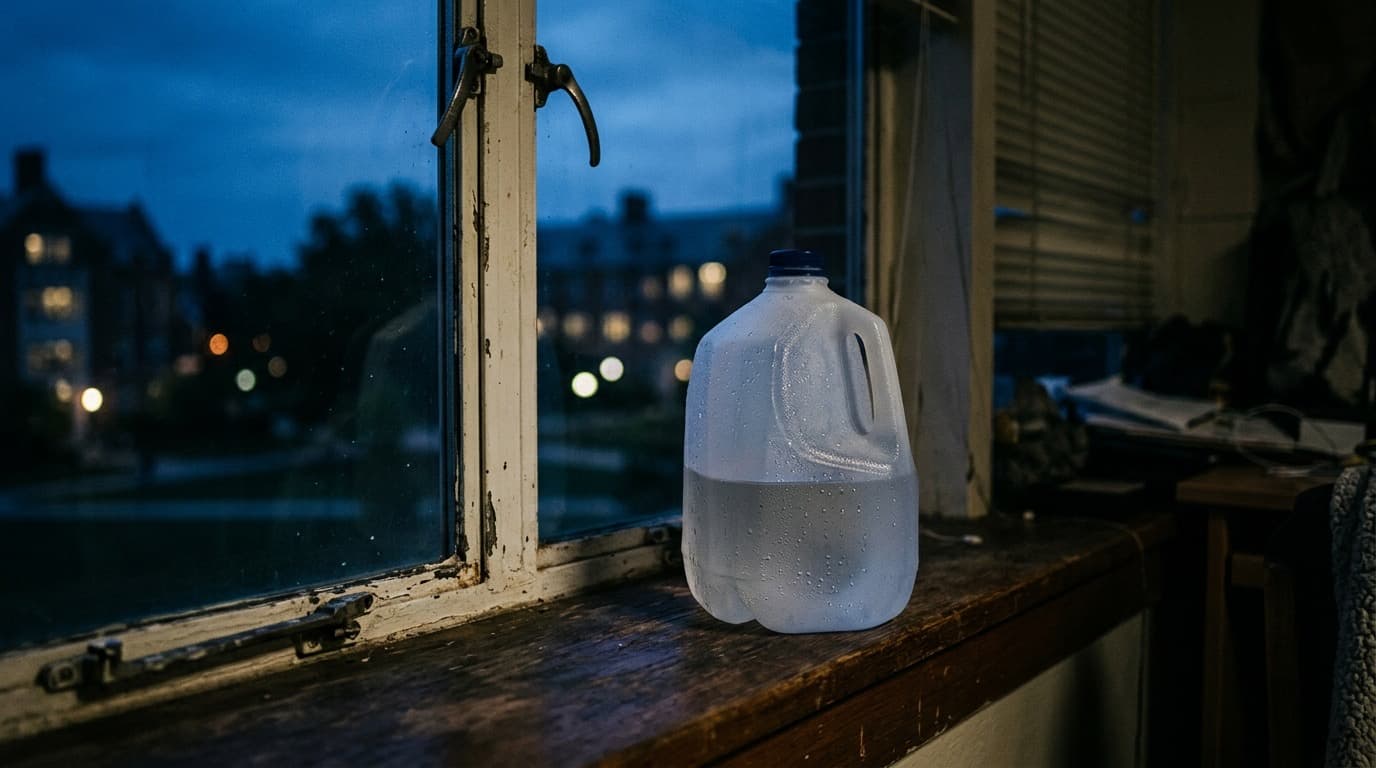
A gallon jug sits in a dorm fridge with a name written across it in Sharpie: Borgingham Palace, or SpongeBorg, or Soulja Borg. Inside is roughly half vodka, half water, a caffeinated flavor packet, and a scoop of electrolyte powder. The name on the side is not a joke detail, it is the whole point. A BORG is supposed to belong to exactly one person, and nobody else is supposed to drink from it.
BORG stands for blackout rage gallon, and it has been the default format for a certain kind of college party since students started making them in the spring of 2020, when a sealed personal container felt safer than a shared cup passed around a crowded room. Almost six years later, the format has its first real test. Andrea C. King, a professor of psychiatry and behavioral neuroscience at the University of Chicago, surveyed more than 100 college students at public and private schools around the country and published the results September 15 in the Journal of Studies on Alcohol and Drugs, with funding from the National Institute on Alcohol Abuse and Alcoholism. It is the first study to look directly at who drinks BORGs, why, and what actually happens to them.
What the survey found
The short answer
King's survey of more than 100 college students found that nearly one third reported blacking out from a BORG event, 17 percent vomited, and 59 percent said or did something embarrassing. A full jug can hold up to a fifth of liquor, roughly 17 standard drinks, meant for one person over one night. The study also found students sharing sips anyway, the exact behavior the personal-jug format was designed to prevent.
1 in 3
BORG drinkers who reported a blackout
From King's survey of more than 100 college students, published September 15, 2026, in the Journal of Studies on Alcohol and Drugs
The blackout number is the one King's own writeup flags as the most serious, since a blackout is not just heavy drunkenness but a disruption in memory formation that a drinker cannot feel happening in real time. Seventeen percent of respondents vomited. Fifty-nine percent said or did something they were embarrassed by afterward. King's team also logged reports of injuries and emergency room visits tied to BORG events, though the study does not put a firm count on how many.
The safety logic behind it does not hold up
“The smartest way to get drunk”
The pitch for BORGs was never that they make drinking safer in general, it was that they fix two specific problems: a sealed jug cannot be spiked by someone else, and a personal container lets a drinker set their own pace instead of matching a group's. Harm reduction creators like NarcanMan built a following making that case online. Substance use prevention creator Erin Monroe has pushed back on a related point, arguing that not every person filling a BORG actually intends to end up blackout drunk, even though the format nudges people that direction.
King's data cuts against the core premise. Despite the personalized names meant to mark a jug as one person's alone, respondents reported sharing sips and trying each other's mixtures during BORG events anyway, the same swapping a sealed personal container was supposed to make unnecessary. The sweetness of the added flavoring is its own problem: mixing hard liquor with sugary mixers makes a strong drink taste mild, which makes it easier to keep drinking past the point of noticing.
How this compares to ordinary binge drinking
It helps to have a baseline. The 2024 National Survey on Drug Use and Health found that 25 percent of full-time college students reported binge drinking at least once in the past month, a rate the National Institute on Alcohol Abuse and Alcoholism notes is actually slightly lower than the 27.3 percent rate among non-college young adults the same age. That is a monthly figure spread across many separate nights of drinking. King's blackout rate is concentrated in a single format, often a single event: nearly a third of BORG drinkers reported blacking out from that one gallon, not from a month of ordinary drinking. The acute risk is bunched up in one container instead of spread out.
What the study cannot tell you yet
A sample of just over 100 students, self-reporting their own drinking after the fact, is a real start and not a settled verdict. It cannot fully separate whether the BORG format itself drives heavier drinking, or whether students who were already going to drink heavily are simply the ones choosing to make a BORG in the first place. King's study is explicit that this is the first data set of its kind, which means there is no prior BORG-specific study to compare it against, only the broader binge-drinking research it sits alongside.
None of that erases the numbers. The format got a punchline and a personalized label sometime around 2020, and both have stuck. What the label never changed was what is actually inside the jug, and King's survey is the first attempt to measure what that gap costs the person drinking it.
- BORG drinking
- college drinking
- Andrea King
- University of Chicago
- binge drinking research
- alcohol harm reduction
Sources
- 01Nearly one third of college-age 'BORG' drinkers report blacking out: New study, EurekAlert!eurekalert.org
- 02BORGs Are the Latest College Drinking Trend, and the First Major Study Is Pretty Grim, VICEvice.com
- 03TikTok's BORGs and college parties: what exactly are they?, NBC Newsnbcnews.com
- 04Alcohol and Young Adults Ages 18 to 25, National Institute on Alcohol Abuse and Alcoholism (NIAAA)niaaa.nih.gov
Corrections
No corrections have been made to this article.

About the reporter
Culture, Science & Life Reporter, Trestlewire
I started out writing about science — real lab-coat, peer-reviewed, methods-section science — and I moved into culture coverage because I kept noticing that the internet, not the lab, is often where science actually plays out in people's daily lives now. A study on sleep or attention or habit formation used to sit in a journal for a decade before anyone outside the field read it. Now it shows up in a group chat by Thursday, usually stripped of every caveat that made it interesting in the first place.
Read full bio and all stories →