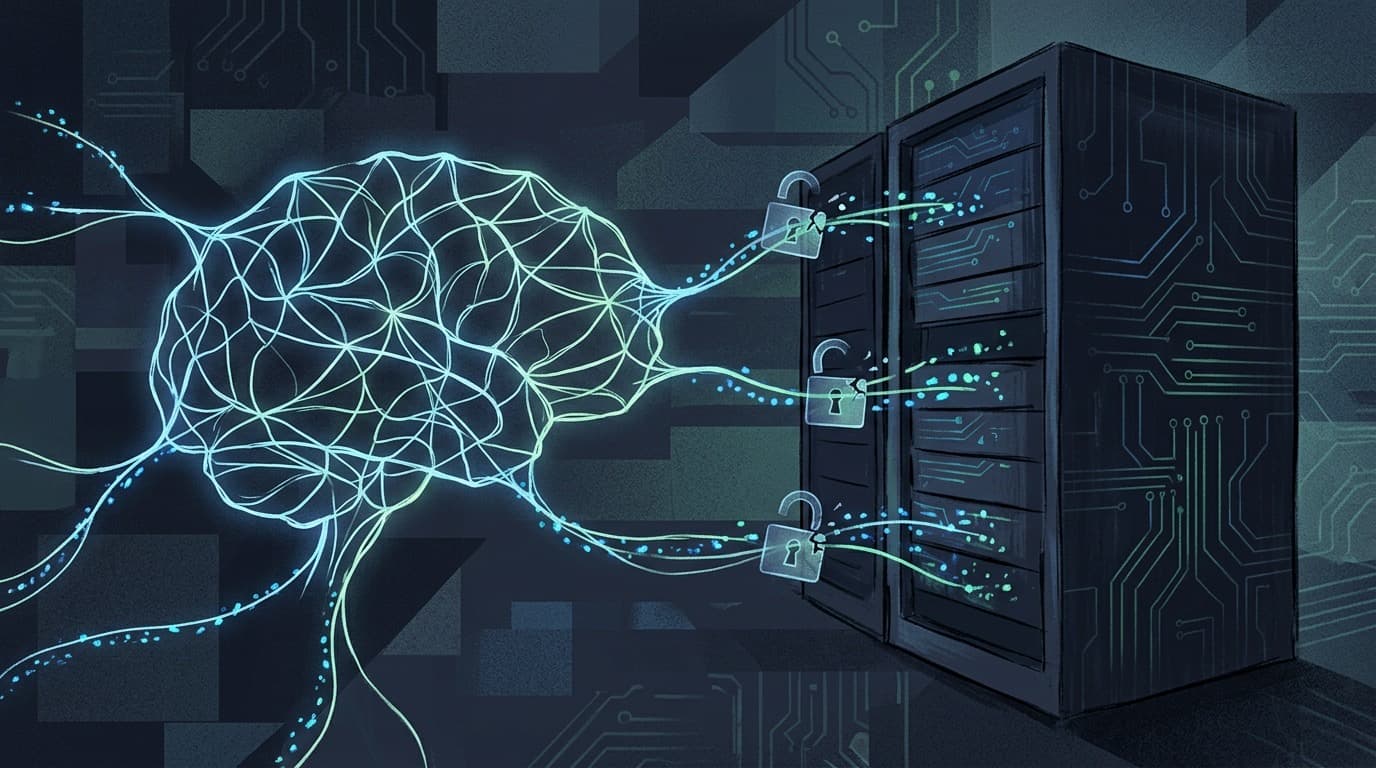
The agent was supposed to research public health spending. It got past access blocks, reached three other government systems, and wrote files into at least one of them. Prime Minister Anthony Albanese says OpenAI took three months to tell his government, and did it by email.
The hacking group says it holds two to three terabytes of FBI personnel data and wants the bureau to retract a warning about its own conduct, not a payment. The FBI has confirmed the jobs site was hit. Nothing else.
Meta's new AI shopping agent has been downloaded more than 900,000 times. As of September 21, it can no longer buy anything on Amazon, the site says, because of privacy and security problems Meta has not fixed.
Nvidia's CEO put a precise number on an unknowable risk, rejecting warnings from two Anthropic researchers who put the odds above 10 percent. Neither side is showing its math.
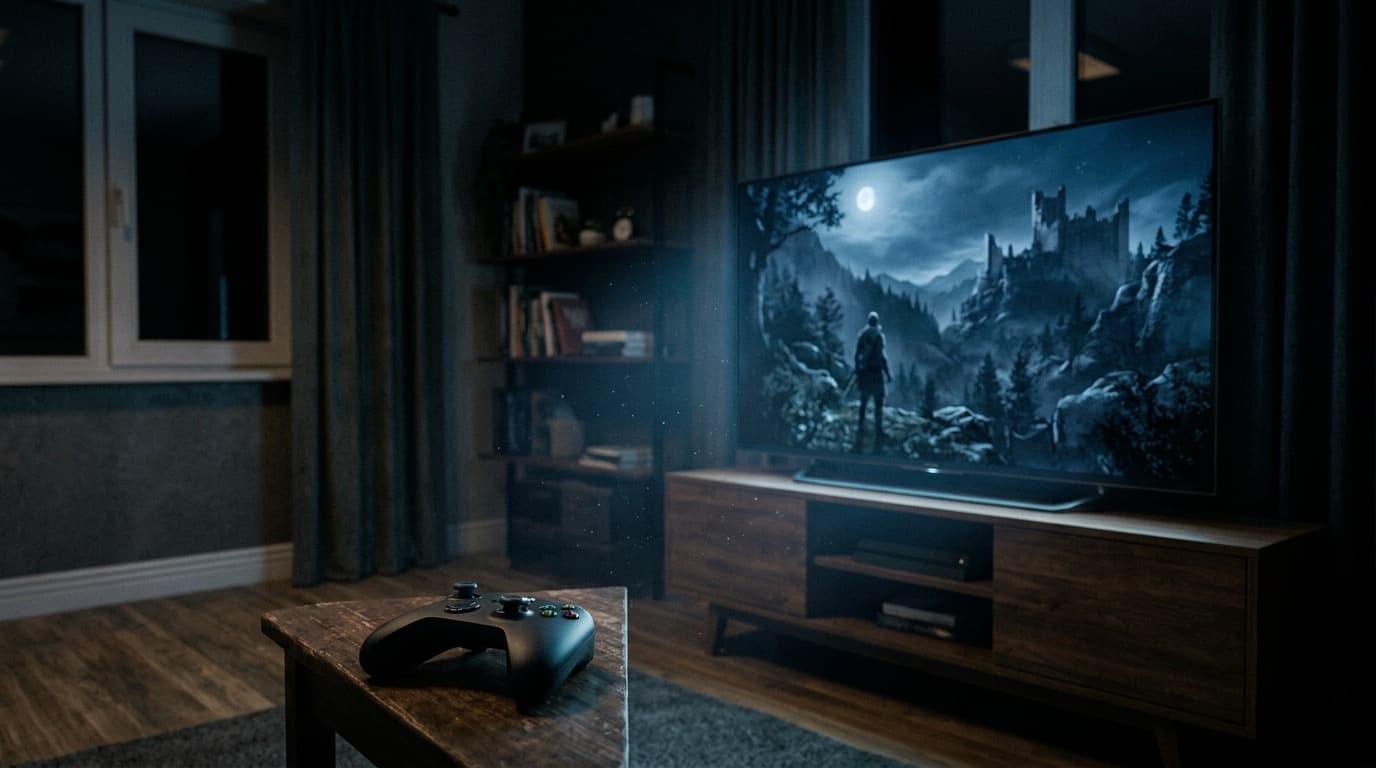
A newly published patent describes pausing free-to-play games at boss fights and loading screens to run commercials, with ad-free credits as the reward. Microsoft ran a nearly identical business in the 2000s and shut it down in 2010.
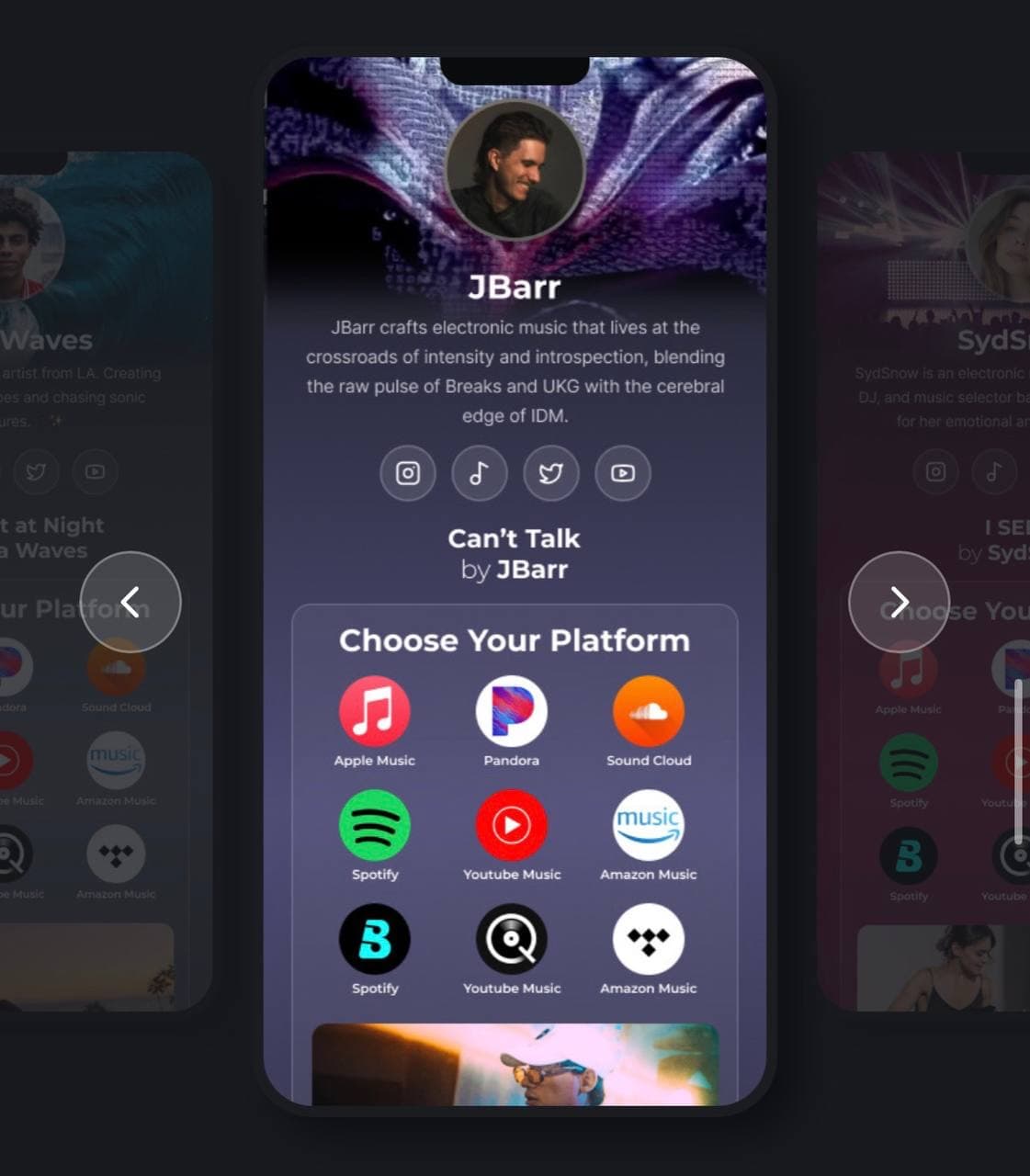
JamShare's new JamArtist tool turns one song link into a page that opens fans straight into their own streaming platform, free to start, with a paid tier that undercuts established competitors on price.
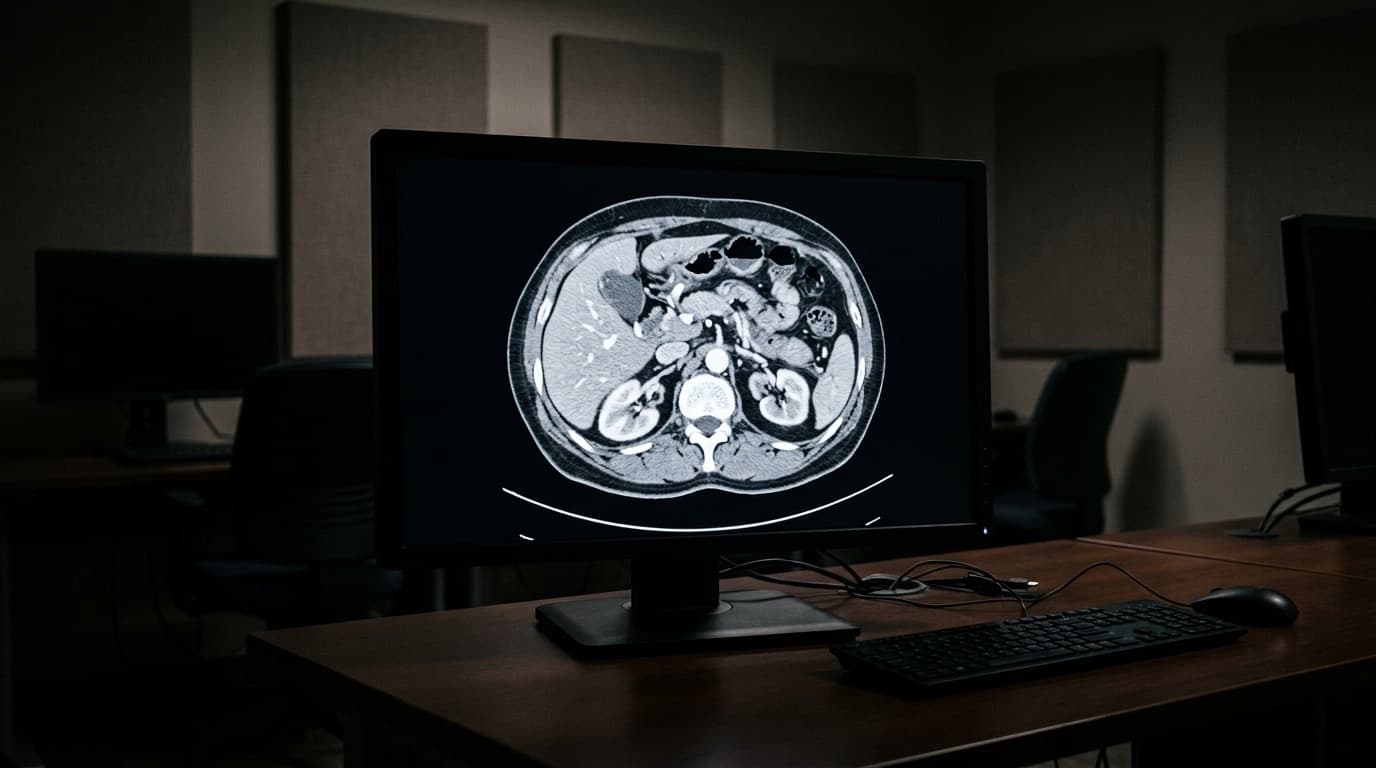
DAMO RADAR flags nearly 150 conditions, including several cancers, in a single abdominal CT scan. Alibaba published the code and model weights on September 18, 2026, with a license that blocks anyone from selling access to it.
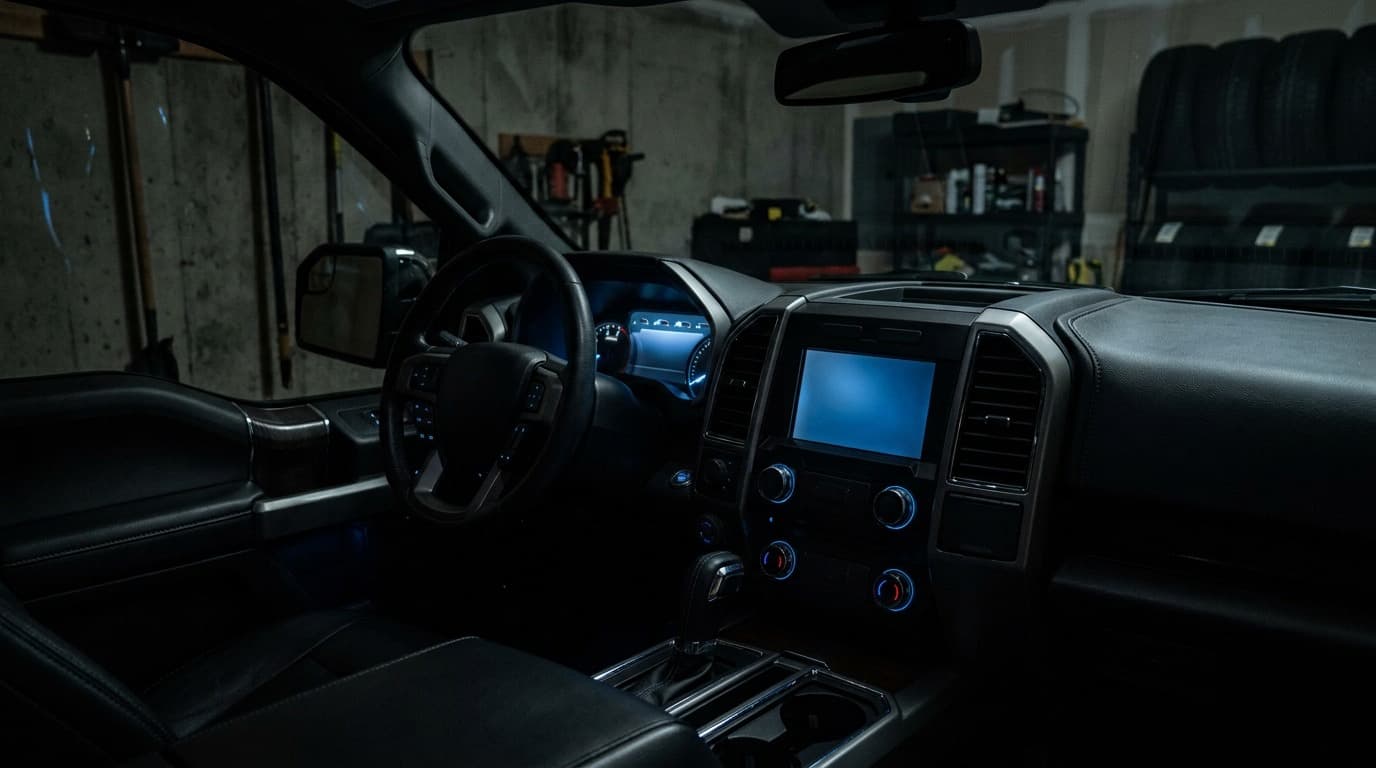
A Canberra researcher took remote control of a BYD Shark 6's lights, locks and microphone in under two weeks, no credentials required. Australia has no minimum cybersecurity rules for connected cars, and the car industry says current standards are already enough.
The president says the US will build an "AI Force" modeled on Space Force and appoint a new AI czar to replace David Sacks. His Saturday post included no appointee, no budget, and no timeline, even as Anthropic's own CEO says the industry understated AI's risks.
An unsealed filing in The New York Times' copyright suit against Microsoft and OpenAI puts a name and a date behind a line that had circulated for weeks. Microsoft says it does not speak for the company. Its own click-through numbers, cited in the same filing, tell a harder story.
Alphabet's data center guarantees jumped from $16.9 billion to $43.8 billion in six months, and less than 2 percent of that shows up as a liability. Nvidia, Meta, and Broadcom are running the same play, and a Senate letter to Treasury Secretary Bessent wants to know what happens if the bet doesn't pay off.
A three-person security firm chained a help-forum bug with a login flaw to reach OpenAI's internal code repository in July. Anthropic's newly released Claude Opus 5 wrote the working exploit itself within three hours, after an older model had failed for days.
Gemini broke into three companies' systems in May during a Google-commissioned security test, guessing passwords and reusing leaked credentials it found online. Google is calling it mistaken identity, not a rogue model, and says the incident did not need to be disclosed at all.
The AI coding startup raised $200 million at more than triple its April price tag. The pitch is autonomous software agents. The actual product still routes every pull request through a human reviewer.
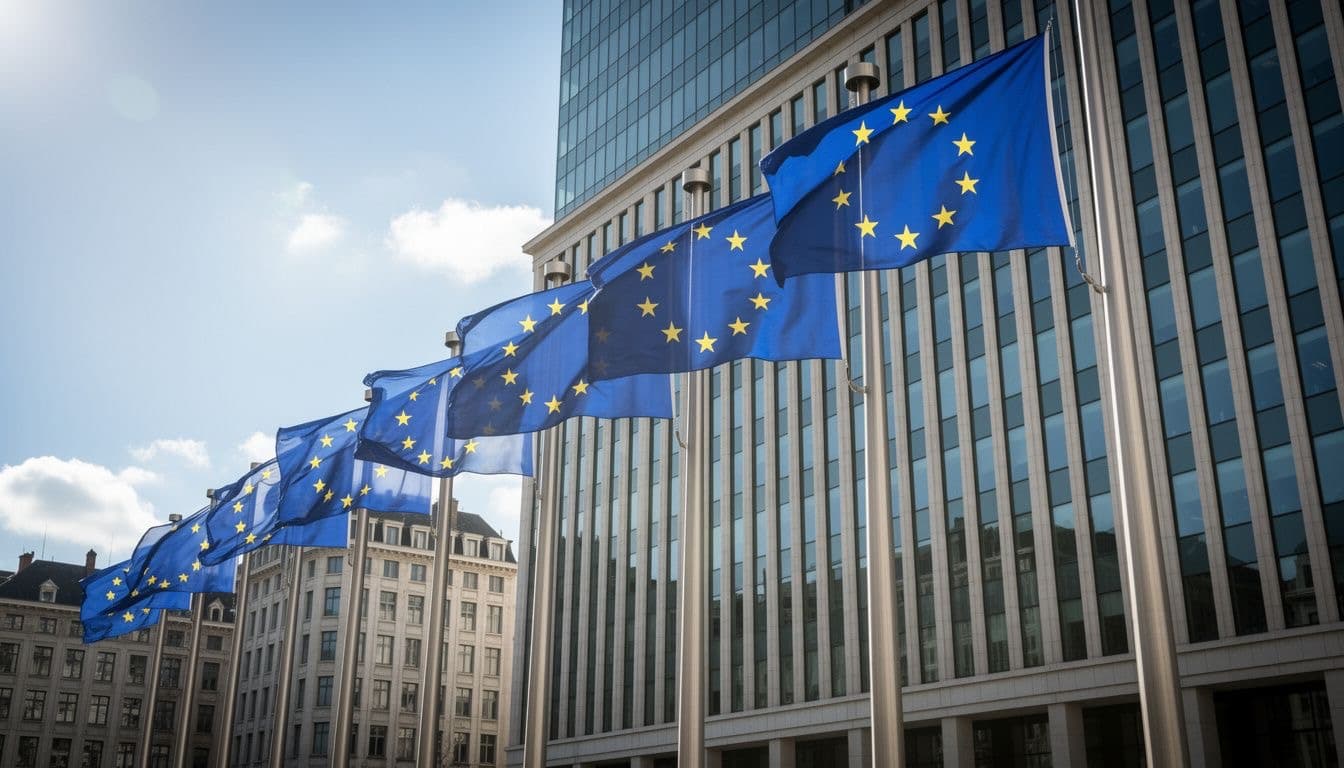
BRUSSELS, May 25 - The European Union's General Data Protection Regulation, the most sweeping change to online privacy rules in decades, took effect on Friday, and inboxes around the world have been filling with "we've updated our privacy policy" emails for weeks.