Scientists Release the First Ever Image of a Black Hole
WASHINGTON, April 10 - Astronomers on Wednesday revealed the first direct image of a black hole, showing a glowing, lopsided ring of orange light surrounding a dark center.

By Sana Whitfield, Culture, Science & Life
· 2 min read
The essentials
- •The image was captured by the Event Horizon Telescope, a network of eight radio telescopes at sites around the globe, in Hawaii, Arizona, Chile, Mexico, Spain, and the South Pole.
- •The black hole sits at the center of the galaxy Messier 87, about 55 million light years away.
- •What you are looking at is not the black hole itself but its shadow.
- •The result matches predictions made by Albert Einstein's theory of general relativity more than a century ago, scientists said.
The short answer
WASHINGTON, April 10 - Astronomers on Wednesday revealed the first direct image of a black hole, showing a glowing, lopsided ring of orange light surrounding a dark center. It is a picture of something that, by definition, no light can escape from. The image was captured by the Event Horizon Telescope, a network of eight radio telescopes at sites around the globe, in Hawaii, Arizona, Chile, Mexico, Spain, and the South Pole.
WASHINGTON, April 10 - Astronomers on Wednesday revealed the first direct image of a black hole, showing a glowing, lopsided ring of orange light surrounding a dark center. It is a picture of something that, by definition, no light can escape from.
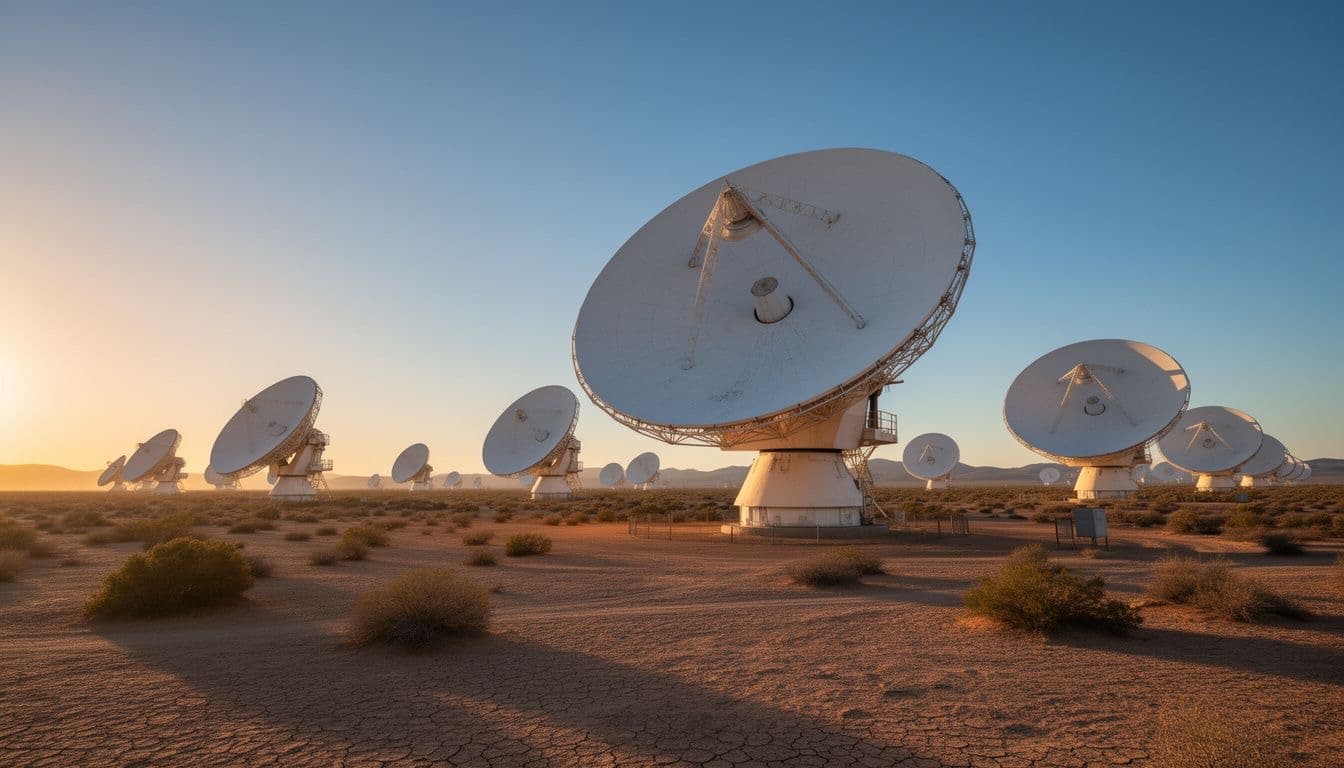
The image was captured by the Event Horizon Telescope, a network of eight radio telescopes at sites around the globe, in Hawaii, Arizona, Chile, Mexico, Spain, and the South Pole. More than 200 researchers took part in the effort. The dishes work together to act like a single telescope the size of the Earth.
The black hole sits at the center of the galaxy Messier 87, about 55 million light years away. It is roughly 6.5 billion times the mass of the sun, and the black hole's event horizon is just under 40 billion kilometers across, according to the team.
How they did it: The observations were made over several days in April 2017. Each telescope recorded huge amounts of data, which was too large to send over the internet. Hard drives were flown to processing centers in Massachusetts and Germany, where supercomputers lined up the signals. Turning that into an image took two more years.
What you are looking at is not the black hole itself but its shadow. The bright ring is hot gas swirling around the edge, heated to extreme temperatures as it falls inward. One side of the ring is noticeably brighter than the other.
The result matches predictions made by Albert Einstein's theory of general relativity more than a century ago, scientists said. "We're delighted to report to you today that we have seen what we thought was unseeable," Sheperd Doeleman, the project's director, said at a news conference in Washington.
Researchers say they will turn to the black hole at the center of our own Milky Way galaxy, Sagittarius A*, next. It is much closer to Earth, but its appearance changes quickly, which makes it harder to image.
Katie Bouman, a computer scientist who helped create one of the imaging algorithms, has been widely praised online for her role in the project.
Sources
- 01First Image of a Black Hole (eso1907), ESOeso.org
- 02First ever black hole image revealed, Fox Newsfoxnews.com
- 03Here's the first picture of a black hole, Science News Exploressnexplores.org
Corrections
No corrections have been made to this article.

About the reporter
Culture, Science & Life Reporter, Trestlewire
I started a science blog in 2005, back when that was a slightly embarrassing thing to admit at parties, mostly to complain about how badly sleep studies got summarized in the papers. It turned into a job. I have been writing about culture and the science of everyday life ever since, through the arrival of social media, the smartphone, the wellness boom, and roughly four hundred viral productivity hacks.
Read full bio and all stories →The Morning Wire
The day’s reporting, in your inbox before nine.
Free. Unsubscribe any time. We never share your address.