
By Eli Okafor, Health & Wellness
· 2 min read
At a glance
- •The International Agency for Research on Cancer, known as IARC, made the announcement on Monday after a working group of 22 experts from 10 countries reviewed the evidence.
- •Processed meat is in Group 1, which means there is sufficient evidence that it causes cancer in humans.
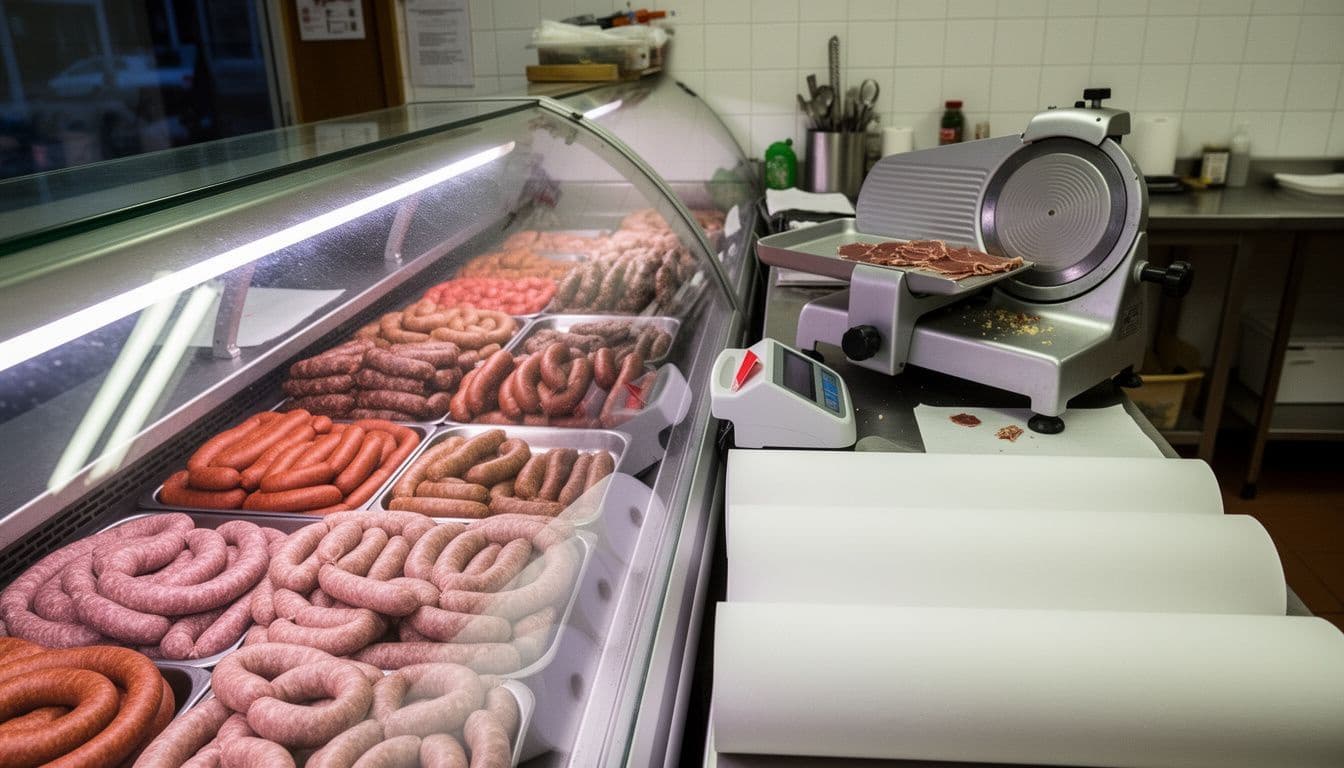
- •Processed meat includes hot dogs, ham, sausages, corned beef, beef jerky and canned meat.
- •Dr. Kurt Straif, who heads the IARC Monographs Programme, said: "the global impact on cancer incidence is of public health importance."
The short answer
LYON, France, Oct. 26 - The World Health Organization's cancer research agency has classified processed meat as carcinogenic to humans and red meat as probably carcinogenic to humans. The International Agency for Research on Cancer, known as IARC, made the announcement on Monday after a working group of 22 experts from 10 countries reviewed the evidence.
LYON, France, Oct. 26 - The World Health Organization's cancer research agency has classified processed meat as carcinogenic to humans and red meat as probably carcinogenic to humans.
The International Agency for Research on Cancer, known as IARC, made the announcement on Monday after a working group of 22 experts from 10 countries reviewed the evidence. The group considered more than 800 studies, with the most influential evidence coming from large prospective cohort studies over the past 20 years. The findings are summarized in The Lancet Oncology, and the full assessments will appear in a later volume of the IARC Monographs.
Processed meat is in Group 1, which means there is sufficient evidence that it causes cancer in humans. The cancer in question is colorectal cancer. IARC said each 50 gram portion of processed meat eaten daily raises the risk of colorectal cancer by 18 percent.
Red meat is in Group 2A, probably carcinogenic. That rating rests on limited evidence from human studies, plus strong evidence from laboratory research on how red meat could cause cancer. The link was seen mainly with colorectal cancer, and also with pancreatic and prostate cancer.
Processed meat includes hot dogs, ham, sausages, corned beef, beef jerky and canned meat. Red meat includes beef, veal, pork, lamb, mutton, horse and goat.
Dr. Kurt Straif, who heads the IARC Monographs Programme, said: "the global impact on cancer incidence is of public health importance."
IARC director Dr. Christopher Wild said the findings "further support current public health recommendations to limit the intake of meat." He added: "At the same time, red meat has nutritional value."
Why it matters: Meat is a daily food for many people, so any cancer warning draws attention. Two points help put it in context. First, the Group 1 label describes how strong the evidence is, not how large the risk is. Second, the 18 percent figure is a relative increase in risk, not a chance of getting cancer. Straif said the risk for an individual "remains small."
Limited evidence, in IARC's terms, means a positive association has been seen but chance, bias or other factors could not be ruled out. The group reviewed existing research and did not run new studies.
Wild said the results are important in enabling governments and international regulatory agencies to conduct risk assessments. Any change to dietary advice would come from them.
Sources
- 01IARC evaluates consumption of red meat and processed meat, PAHO / WHOpaho.org
- 02New UN report links processed meats to cancer in humans, UN Newsnews.un.org
- 03Processed meat carcinogenic to humans, says WHO agency's study, Down To Earthdowntoearth.org.in
- 04International Agency for Research on Cancer, Wikipediaen.wikipedia.org
Corrections
No corrections have been made to this article.

About the reporter
Health & Wellness Reporter, Trestlewire
I am not a physician, and nothing I write is medical advice. I say that first because it shapes everything else.
Read full bio and all stories →The Morning Wire
The day’s reporting, in your inbox before nine.
Free. Unsubscribe any time. We never share your address.