
By Eli Okafor, Health & Wellness
· 2 min read
At a glance
- •Director General Margaret Chan announced the decision after the agency's emergency committee met on Monday.
- •Zika has spread to more than 20 countries and territories in the Americas since it was first detected in Brazil last May.
- •The announcement comes six months before the Summer Olympics in Rio de Janeiro.
- •Funding for research and mosquito control is expected to be the next major test.
The short answer
GENEVA, Feb. 1 - The World Health Organization declared the Zika virus outbreak a public health emergency of international concern on Monday, citing a suspected link between the mosquito borne virus and a sharp rise in babies born with abnormally small heads in Brazil. Director General Margaret Chan announced the decision after the agency's emergency committee met on Monday.
GENEVA, Feb. 1 - The World Health Organization declared the Zika virus outbreak a public health emergency of international concern on Monday, citing a suspected link between the mosquito borne virus and a sharp rise in babies born with abnormally small heads in Brazil.
Director General Margaret Chan announced the decision after the agency's emergency committee met on Monday. She said the cluster of birth defects and other neurological problems "constitutes an extraordinary event" that requires a coordinated global response.
Zika has spread to more than 20 countries and territories in the Americas since it was first detected in Brazil last May. Brazilian health officials have reported more than 3,500 cases of microcephaly, a condition in which a baby's head is much smaller than expected, since October. In all of 2014, the country recorded fewer than 200.
Scientists have not proven that Zika causes microcephaly. But the timing of the surge and early laboratory findings have led health officials to treat the link as serious enough to act on. The virus has also been tied to Guillain-Barre syndrome, a rare condition that can cause temporary paralysis.
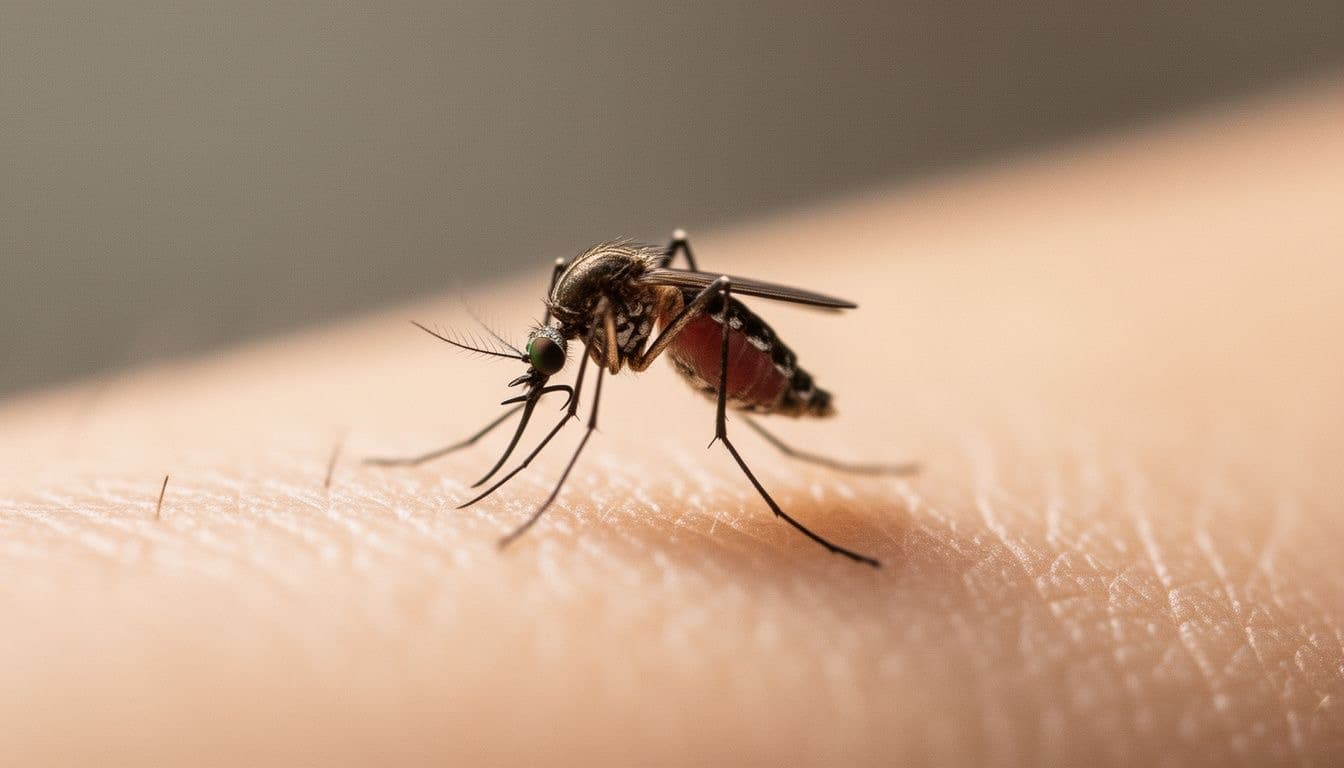
What to know: Most people who catch Zika have no symptoms. When symptoms appear, they are usually mild and include fever, rash, joint pain and red eyes, lasting several days to a week. The virus spreads mainly through the bite of the Aedes aegypti mosquito, the same species that carries dengue and chikungunya. There is no vaccine and no specific treatment.
Pregnant women are the main concern. The Centers for Disease Control and Prevention has advised pregnant women to consider postponing travel to affected areas, which include Brazil, Colombia, Mexico, and several Caribbean nations. Women who live in those places are urged to take steps to avoid mosquito bites, including using repellent and wearing long sleeves.
The announcement comes six months before the Summer Olympics in Rio de Janeiro. A number of athletes and visitors are likely to have questions about travel.
Funding for research and mosquito control is expected to be the next major test. The WHO said it will work with affected countries to speed up development of diagnostic tests and, eventually, a vaccine.
Sources
- 01WHO declares Zika-associated microcephaly a global public health emergency, MPR Newsmprnews.org
- 02WHO declares a global public health emergency over Zika virus, WGBHwgbh.org
- 032015-2016 Zika virus epidemic, Wikipediaen.wikipedia.org
Corrections
No corrections have been made to this article.

About the reporter
Health & Wellness Reporter, Trestlewire
I am not a physician, and nothing I write is medical advice. I say that first because it shapes everything else.
Read full bio and all stories →The Morning Wire
The day’s reporting, in your inbox before nine.
Free. Unsubscribe any time. We never share your address.