Miners Wait Years for Black Lung Benefits While MSHA Freezes Its Prevention Rule
A GAO report found coal operators dispute 40 percent of approved black lung claims and appeals take a median of three-plus years, while the Labor Department's mine safety arm has left a 2024 silica dust rule indefinitely unenforced pending litigation both sides agreed to pause.

By Jonah Reyes, Politics & Policy
· 4 min read · Updated
Key Takeaways
- •A GAO report found coal operators disputed 40 percent of approved black lung claims between 2013 and 2024, with appeals then taking a median of more than three years to close.
- •Between January 2013 and mid-August 2024, 2,620 miners with approved black lung claims died before their cases closed, and 390 miners had approved benefits reversed on appeal and were required to repay them.
- •MSHA delayed enforcement of its 2024 silica dust rule indefinitely as of an April 6, 2026 Federal Register notice, even as the underlying litigation sits in abeyance at the parties' own request.
- •NIOSH data published in August 2026 found 32.5 percent of veteran underground miners in central Appalachia have black lung disease, the highest rate recorded since 1978.
- •The standard monthly black lung benefit for a miner with no dependents is $793.60, which former House labor committee policy director Richard Miller called 'a lousy benefit level.'
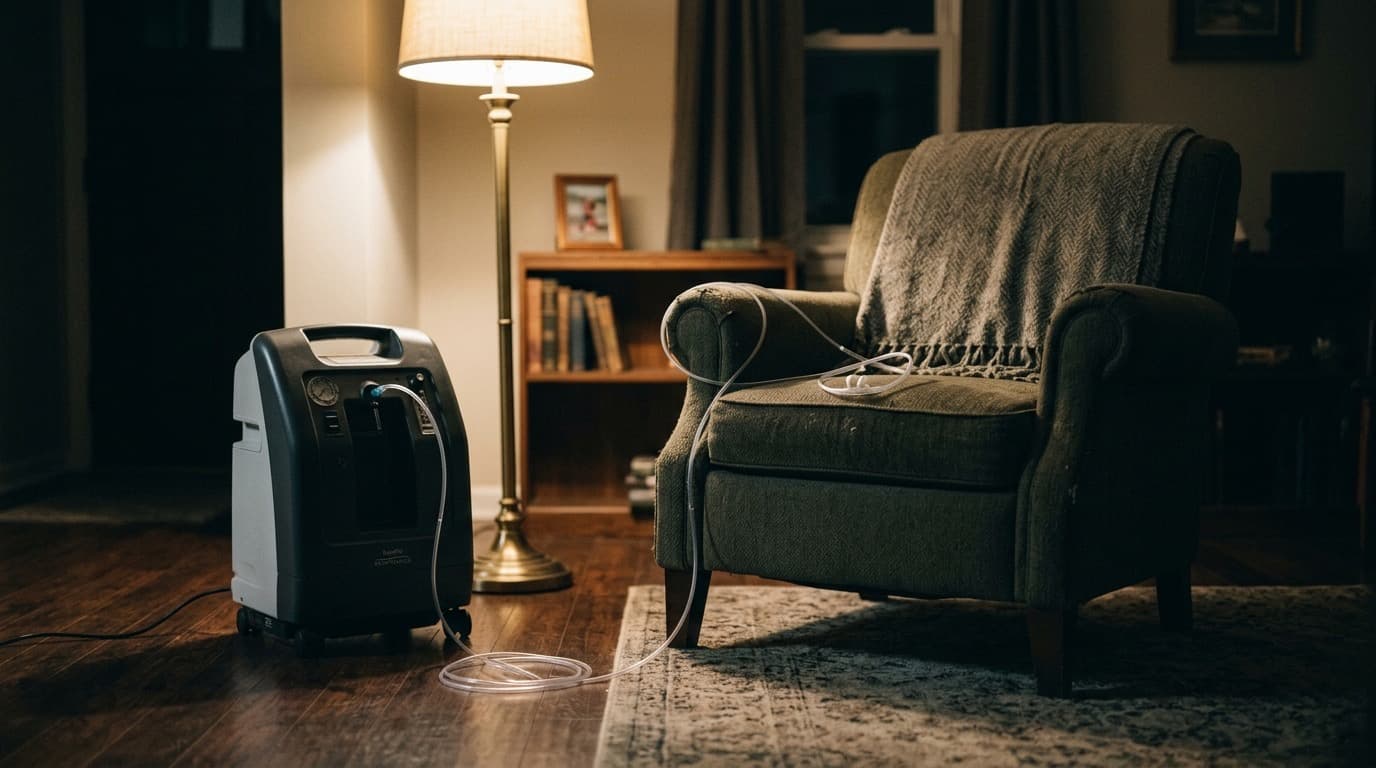
Josh Armes spent 38 years mining coal in West Virginia and Virginia. After he retired, doctors diagnosed him with coal workers' pneumoconiosis, the medical name for black lung disease, and he began receiving the federal disability benefits Congress created for miners in his position. In 2014, three years into collecting that compensation, a coal operator appealed the award. Twelve years later, at 74 and dependent on a supplemental oxygen tank, Armes is still waiting for the appeal to close.
The federal Black Lung Benefits Program, created in 1969 and administered by the Department of Labor, pays monthly compensation and medical costs to miners disabled by the disease, along with benefits for their survivors. An initial award from the department does not end the matter. A coal operator can appeal to an administrative law judge, then the Benefits Review Board, then federal court, and a claim can sit unresolved through each stage while the miner's condition keeps progressing.
The short answer
A Government Accountability Office report requested by four senators found coal operators disputed 40 percent of approved black lung claims between 2013 and 2024, with appeals then taking a median of more than three years to close. At the same time, MSHA's 2024 silica dust rule, meant to reduce future black lung cases, remains indefinitely unenforced as of an April 6, 2026 Federal Register notice, pending litigation.
40%
of approved black lung claims disputed by coal operators, 2013-2024
GAO found the average appealed claim then takes more than three years to close; some miners died before theirs did.
What an appeal actually does to a claim
Armes's daughter, Crystal Armes, has managed the appeal alongside her father. She said proving black lung disease requires paying out of pocket for medical tests and finding a lawyer willing to take the case, all while the family waits for a ruling a company can challenge again.
“When you're awarded it, they can appeal it, get a different judge, and it's stripped away from you, which I find absolutely insane.”
The GAO's review of claims data found the pattern is not rare. Between January 2013 and mid-August 2024, coal operators won reversals on 390 previously approved claims, leaving those miners responsible for repaying benefits already received. Over the same period, 2,620 miners whose claims were eventually approved died before the case closed. The standard monthly payment for a miner with no dependents is 793 dollars and 60 cents, which former House Committee on Education and Workforce policy director Richard Miller called 'a lousy benefit level.'
Part of the delay traces to how the appeals system itself is funded. Miller said chronic underfunding of the administrative law judges who hear these cases lets appeals stall for years. 'If you starve the program, then claimants sit there getting sicker,' he said.
The same department also enforces prevention
The Department of Labor that processes those claims also houses the Mine Safety and Health Administration, which finalized a rule in April 2024 cutting the permissible exposure limit for respirable crystalline silica, the dust now driving much of the recent rise in cases. A court stayed the rule's compliance deadlines in April 2025. On April 6, 2026, MSHA published a Federal Register notice stating that, with a judicial stay in effect, the rule's remaining conforming amendments are delayed indefinitely, pending judicial review. The underlying litigation itself is on hold, in abeyance, at the parties' own request.
A Department of Labor spokesperson for MSHA said in an email that until the pending litigation and limited rulemaking are resolved, the agency continues to vigorously enforce the pre-2024 exposure limit of 100 micrograms per cubic meter. Brian Sanson, president of the United Mine Workers of America, who in March publicly demanded MSHA end the enforcement pause, said the delay has a cost: 'Every day federal regulators drag their feet and sit on this rule, another working father, mother, husband, wife, sister or brother contracts an incurable, fatal disease.'
The dispute over enforcement comes as the underlying disease reaches levels not recorded since 1978. Researchers at the National Institute for Occupational Safety and Health found in data published last month that 32.5 percent of veteran underground miners in central Appalachia now have black lung disease. Between 2020 and 2023, more than 1,700 miners died from it. NIOSH did not respond to requests for comment on the enforcement delay, and the White House referred questions about it to the Department of Labor.
For a miner like Armes, that leaves both ends of the same department working against him at once: the office that owes him a decision has taken twelve years to make one, and the office that might have kept the next miner from filing a claim at all has told a federal court it will wait.
- black lung disease
- Mine Safety and Health Administration
- Department of Labor
- coal miners
- silica rule
- GAO report
Sources
- 01'Do you have to be dead?': US coalminers plead for benefits as black-lung disease cases surge, The Guardiantheguardian.com
- 02Lowering Miners' Exposure to Respirable Crystalline Silica and Improving Respiratory Protection; Delay of Effective Date of Conforming Amendments, Federal Register / Mine Safety and Health Administrationfederalregister.gov
- 03Silica Rule Paused: A Deadly Delay, United Mine Workers of Americaumwa.org
- 04Coal miners face barriers to accessing federal black lung benefits, watchdog says, KNAU Arizona Public Radio / NPRknau.org
- 05Warner, Hickenlooper, Kaine, Fetterman Release GAO Report Highlighting Gaps in Black Lung Benefits for Miners and Families, Office of U.S. Senator Mark Warnerwarner.senate.gov
Corrections
No corrections have been made to this article.

About the reporter
Politics & Policy Reporter, Trestlewire
I cut my teeth covering a state legislature, which is a slower education than it sounds. Most of what actually changes people's lives happens in a committee markup at eleven at night, or in an agency rulemaking docket that nobody reads except the people it will affect — not in the thirty-second clip that makes the evening news. I spent years in statehouse press rooms learning to read a bill the way a lawyer does, line by line, because that is the only way to know what it actually does.
Read full bio and all stories →